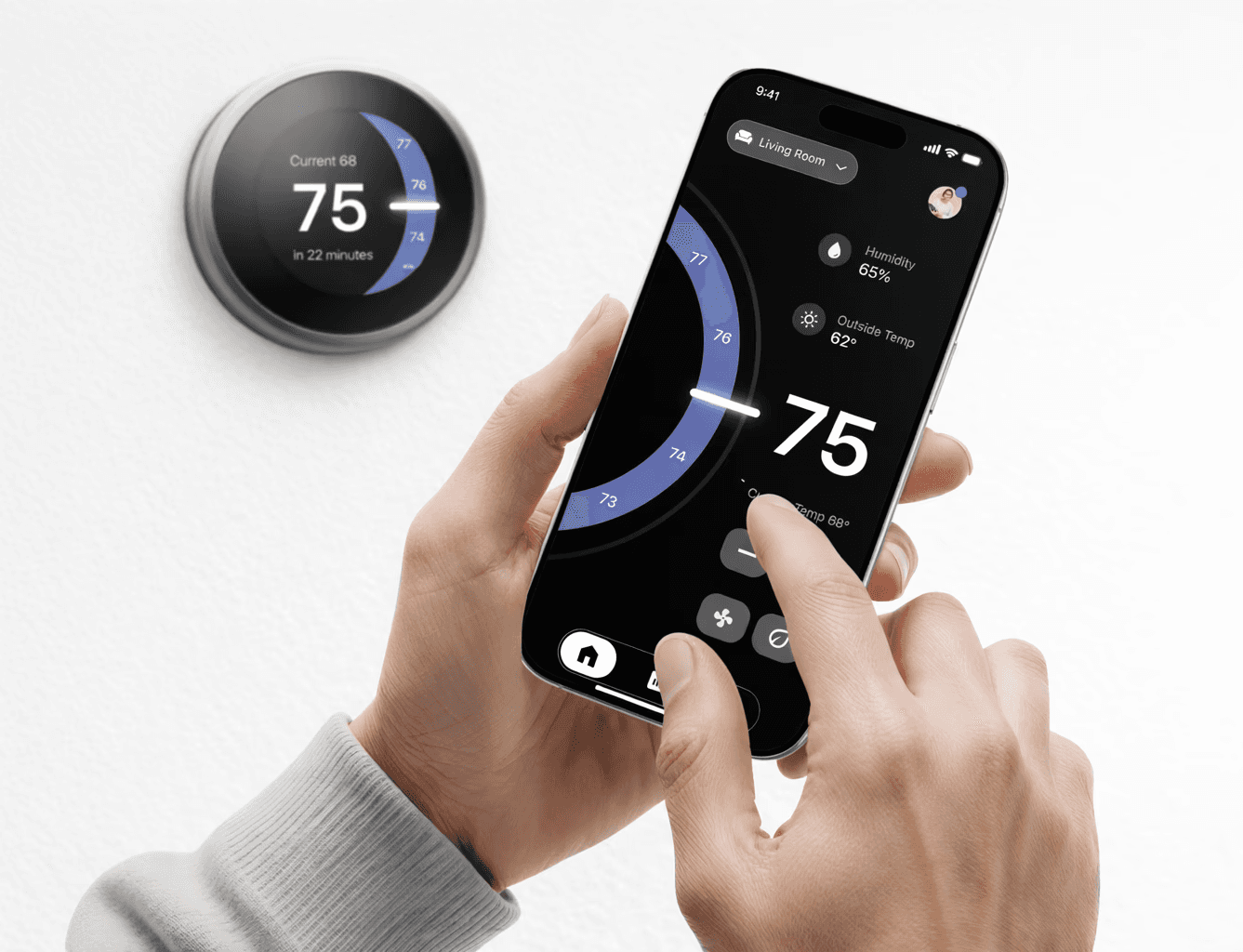
Thermoast:
High-End Innovation
One system for premium home climate—redesigned thermostat
+ app with clearer schedules, smarter interactions,
and sleep-aware comfort.
Prototype
Design system
Output
Role
Lead UX
Designer
Product Design
UI/UX
Interaction Innovation
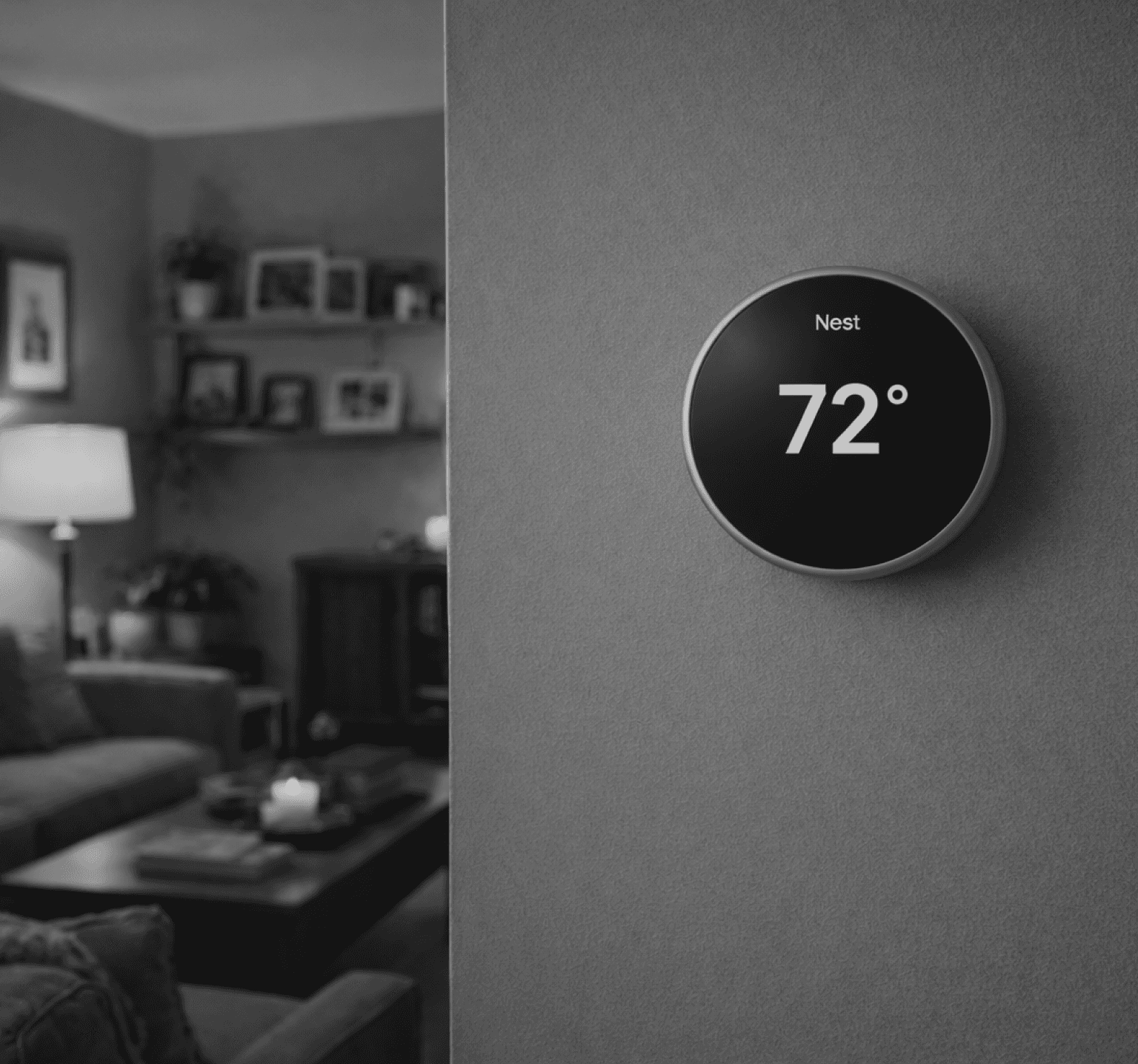
25% of them choose Google Nest.
Google Nest With four generations
since 2011 and ~15M U.S. households,
14% of U.S. households use a smart
thermostat today.
Target Audience they want to seek:


Aesthetics
&Simplicity
Comfortable
& Quality
Clear Temperature System
Reliable Performance
Tactile Clarity
Focus on health
Simple UI
Visual Clarity
Modern, Elegant Design
Streamlined Flow
Minimal Steps
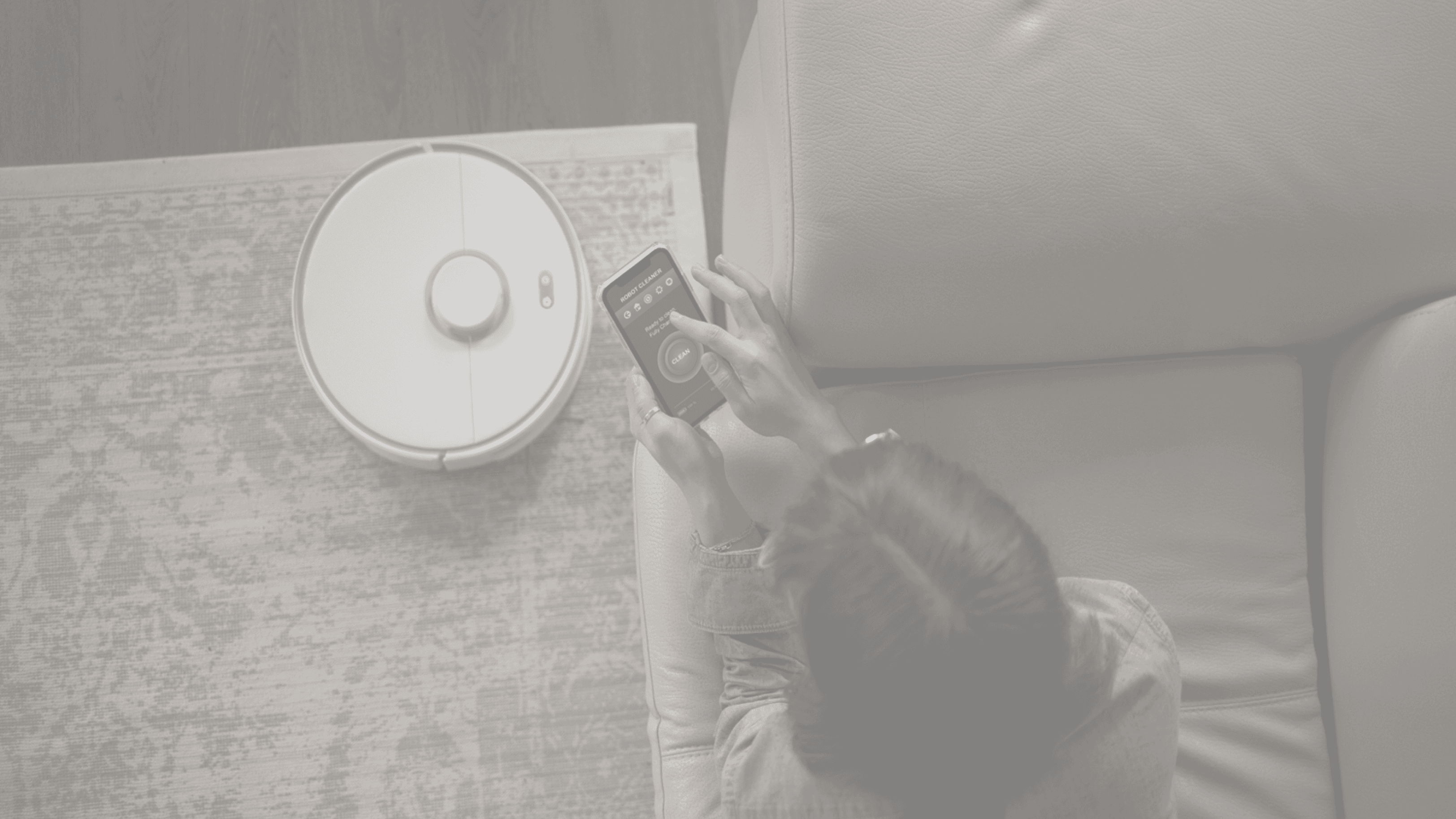
40% - 70%
Users skip scheduling interfaces because they’re cumbersome.
In a U.S. survey of 2,000 adults,
31% said being too hot or cold disrupts sleep
—explaining why people may keep adjusting the thermostat
at night yet still not know what helped.
The Problem
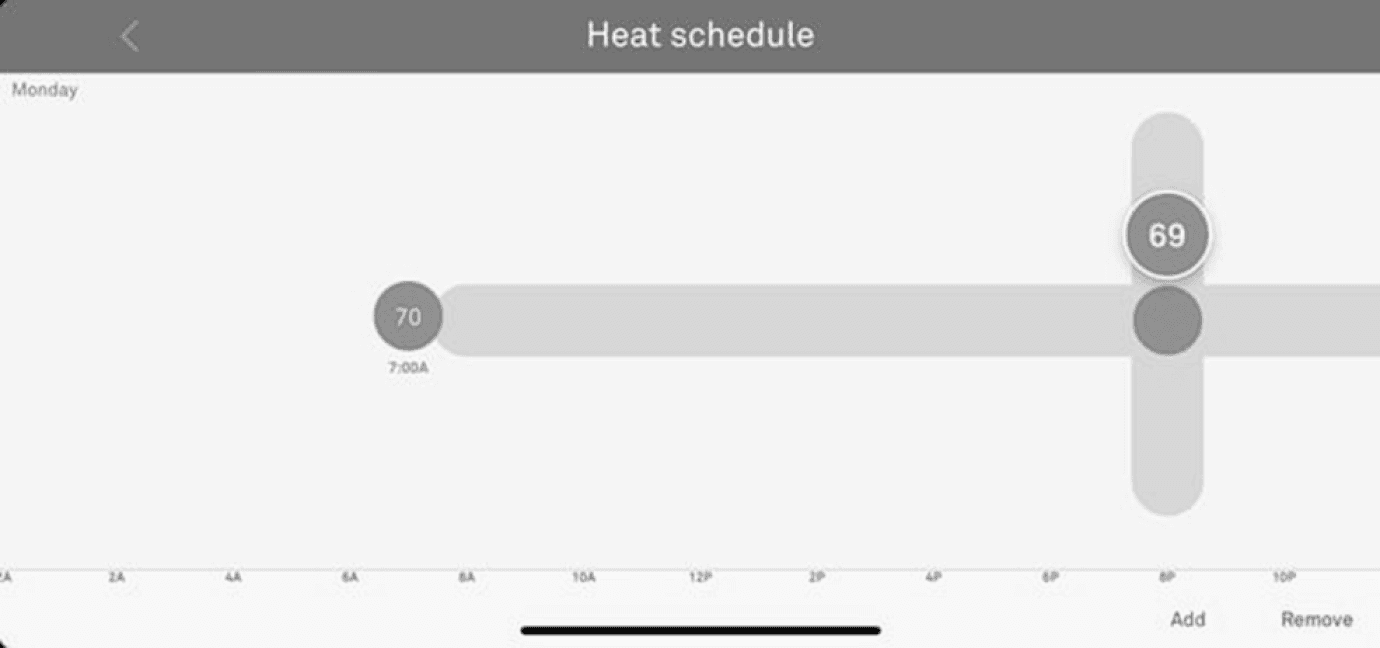
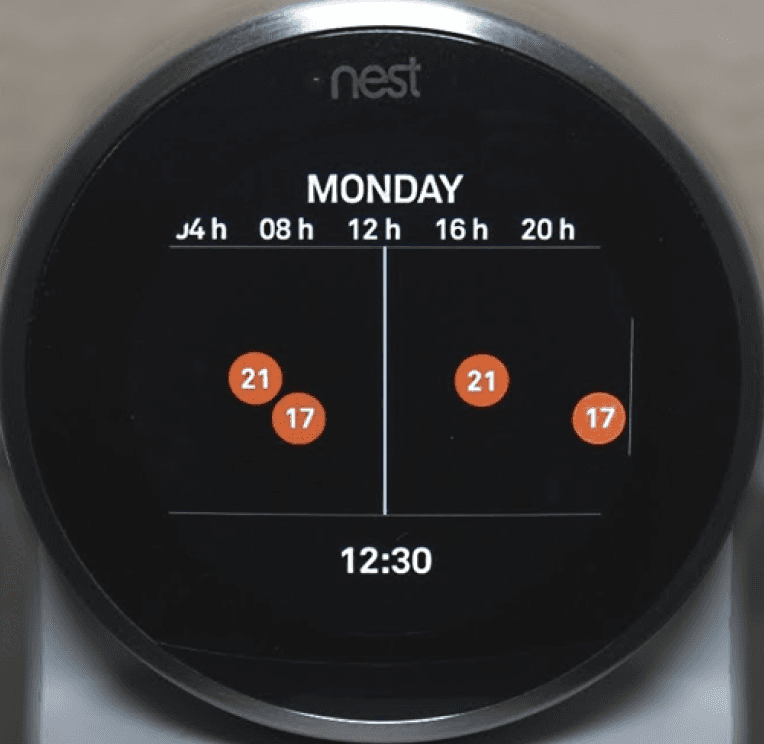
Tiny drag controls
Landscape-only workflow
Editing controls are far
Confusing time scale
Confusing temperature set points
No global timeline
No immediate weekly review
Painpoints –
App & Thermostat
Sleep apps only provide sleep data
Thermoast unifies sleep stages and temperature in a single timeline, highlighting a personal comfort range for the next night.
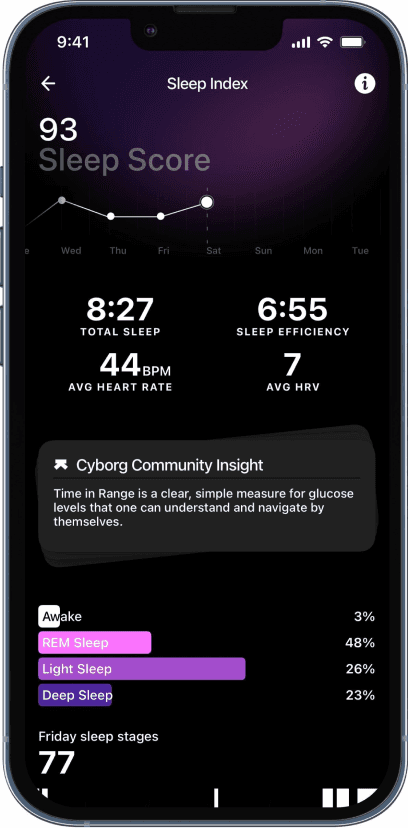
Opportunity
Thermostats only provide temperature control

Goal
From Outdated Visuals
→ To Modern Clarity
From Fragmented Touchpoints
→ To Unified Experience
From Complex Controls
→ To Effortless Actions
From Sleep Guesswork
→ To Sleep-Aware Comfort
Complex and unclear interaction flow
Outdated visual style
Visual hierarchy cluttered
For sleep & Temperature
Strategic Fit: Why Google / Why now
For the full project, please visit:
https://www.figma.com/design/vphSohyhK2ntiOiaiGvrRQ/%E4%BD%9C%E5%93%81%E9%9B%86%E9%A1%B9%E7%9B%AE%E4%B8%80?node-id=0-1&t=VKufScKwBrDgtLh3-1
See more detail:
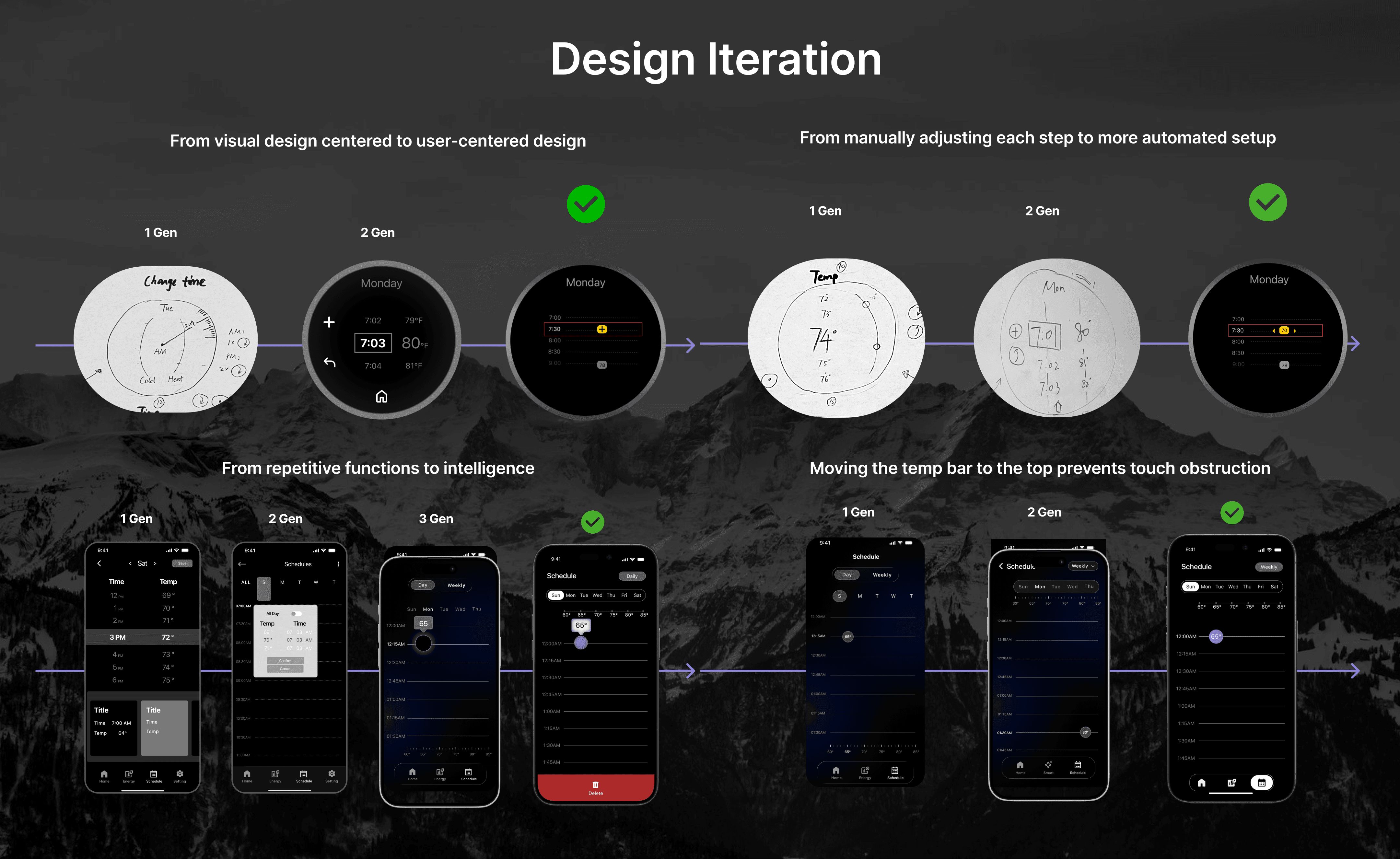
Iterated refinement drove
Task efficiency
Product innovation
Visual system coherence
—extending product longevity.
Next step:
Larger test sample / Long-term sleep data / Privacy and permissions challenge
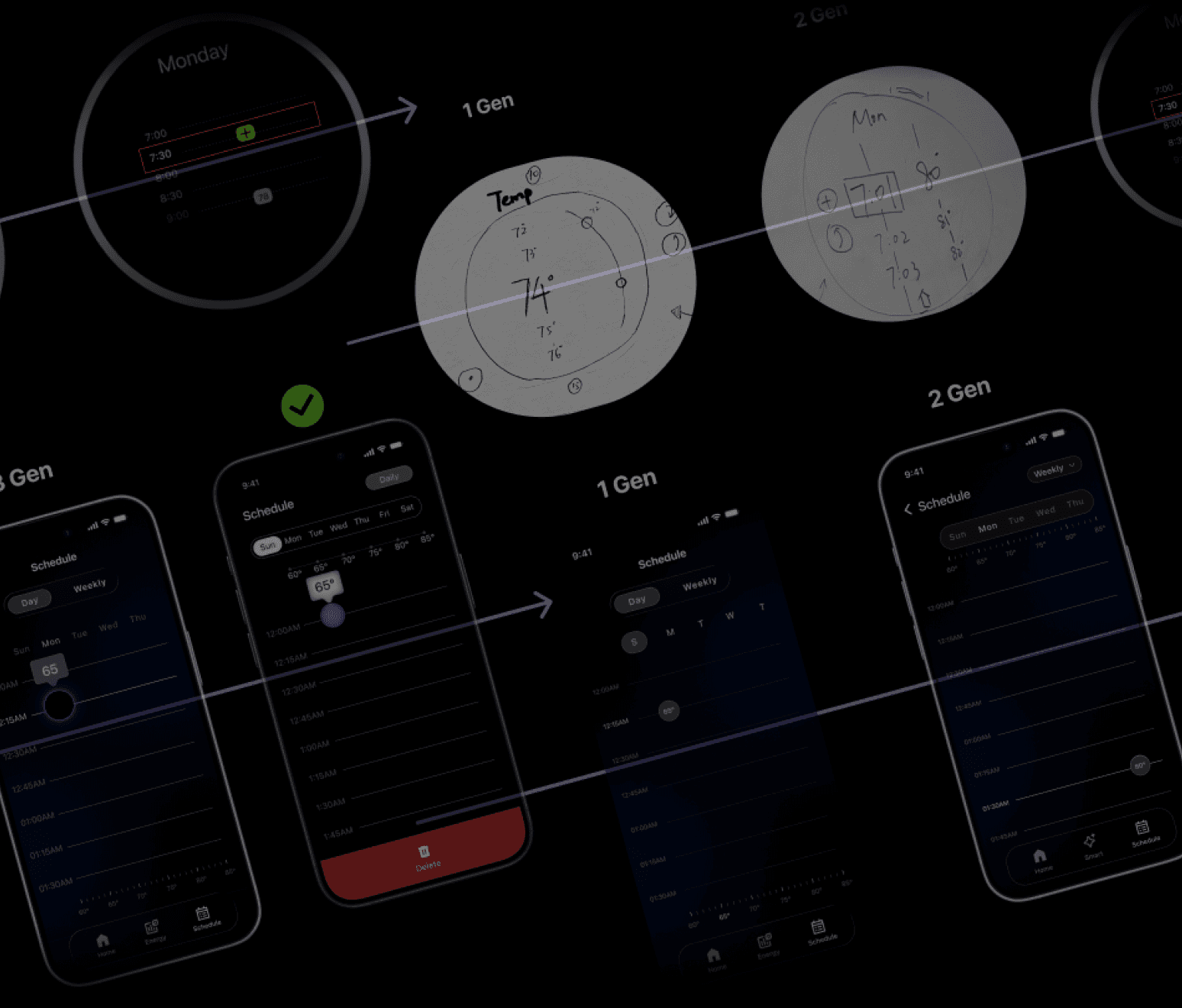
Refining and improving the thermostat
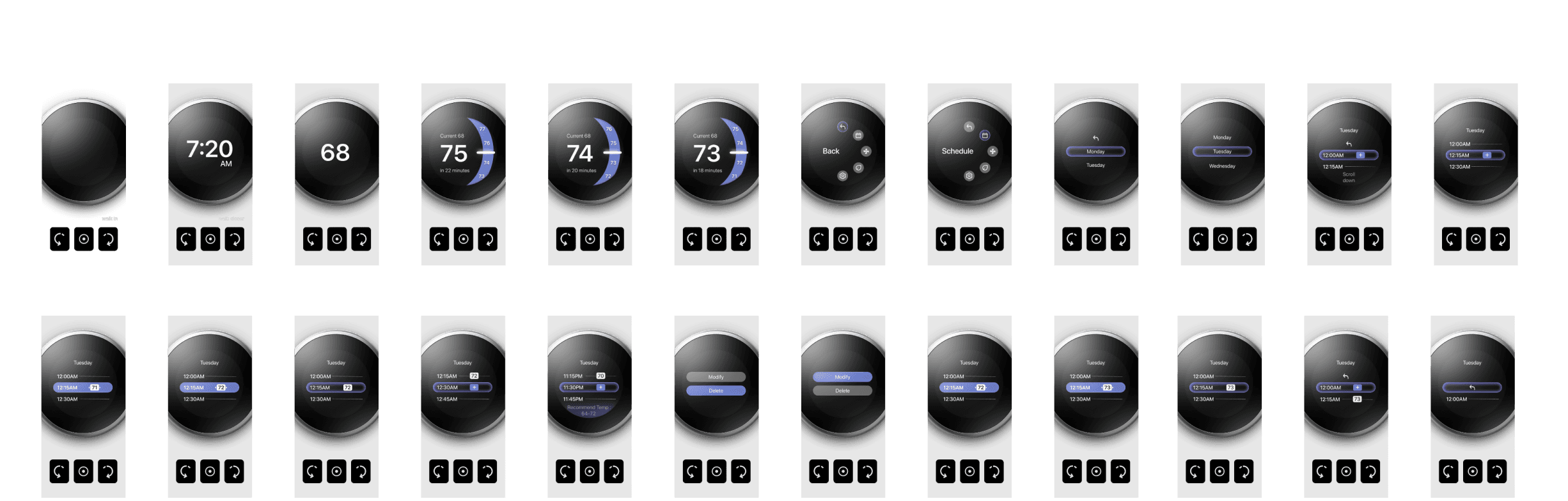
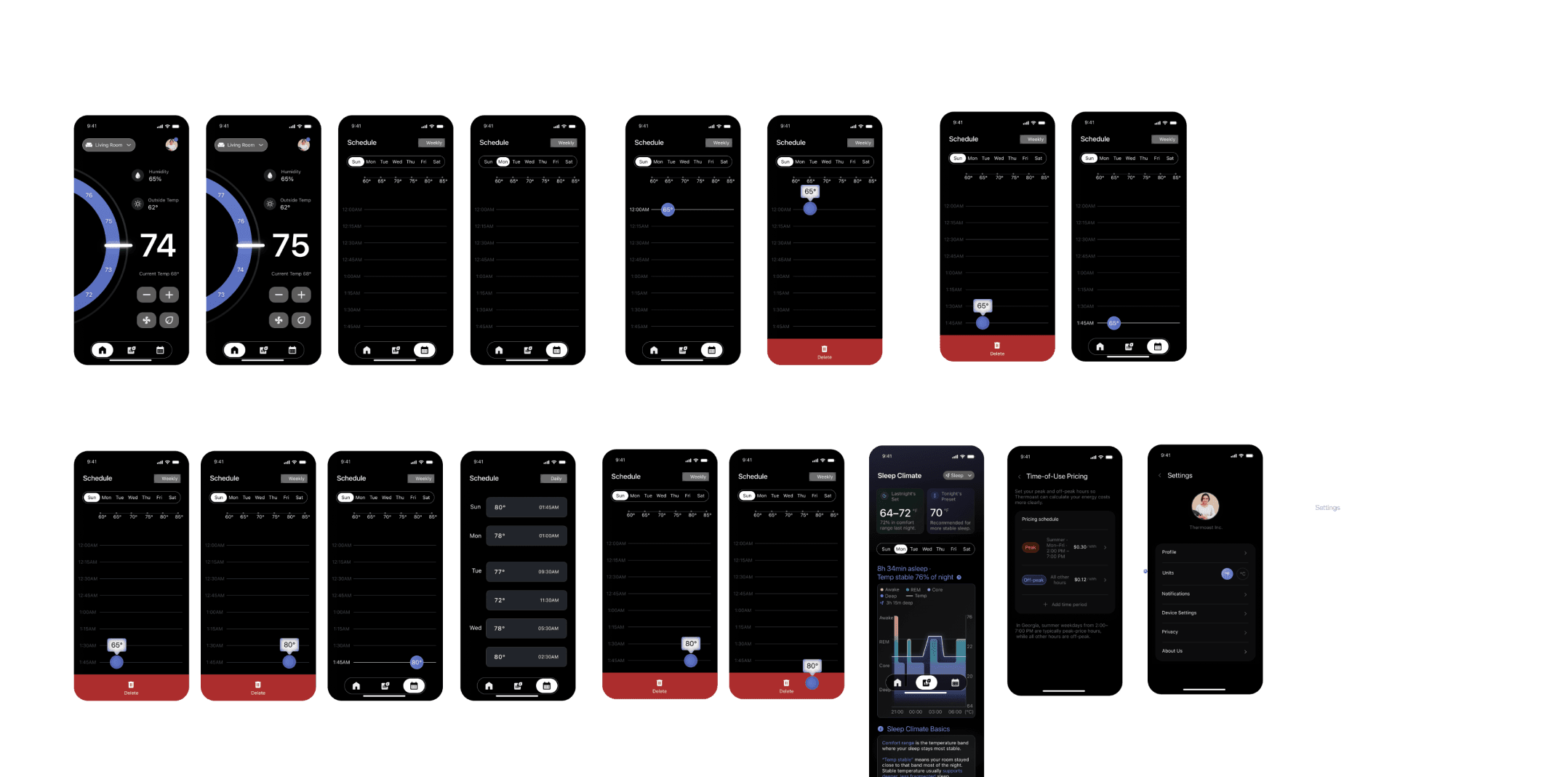
through 9 design versions
Applying Insights Through Iteration


Change temperature easily
And easy to back and edit
Effortless Temperature Tuning
For sleep & Temperature
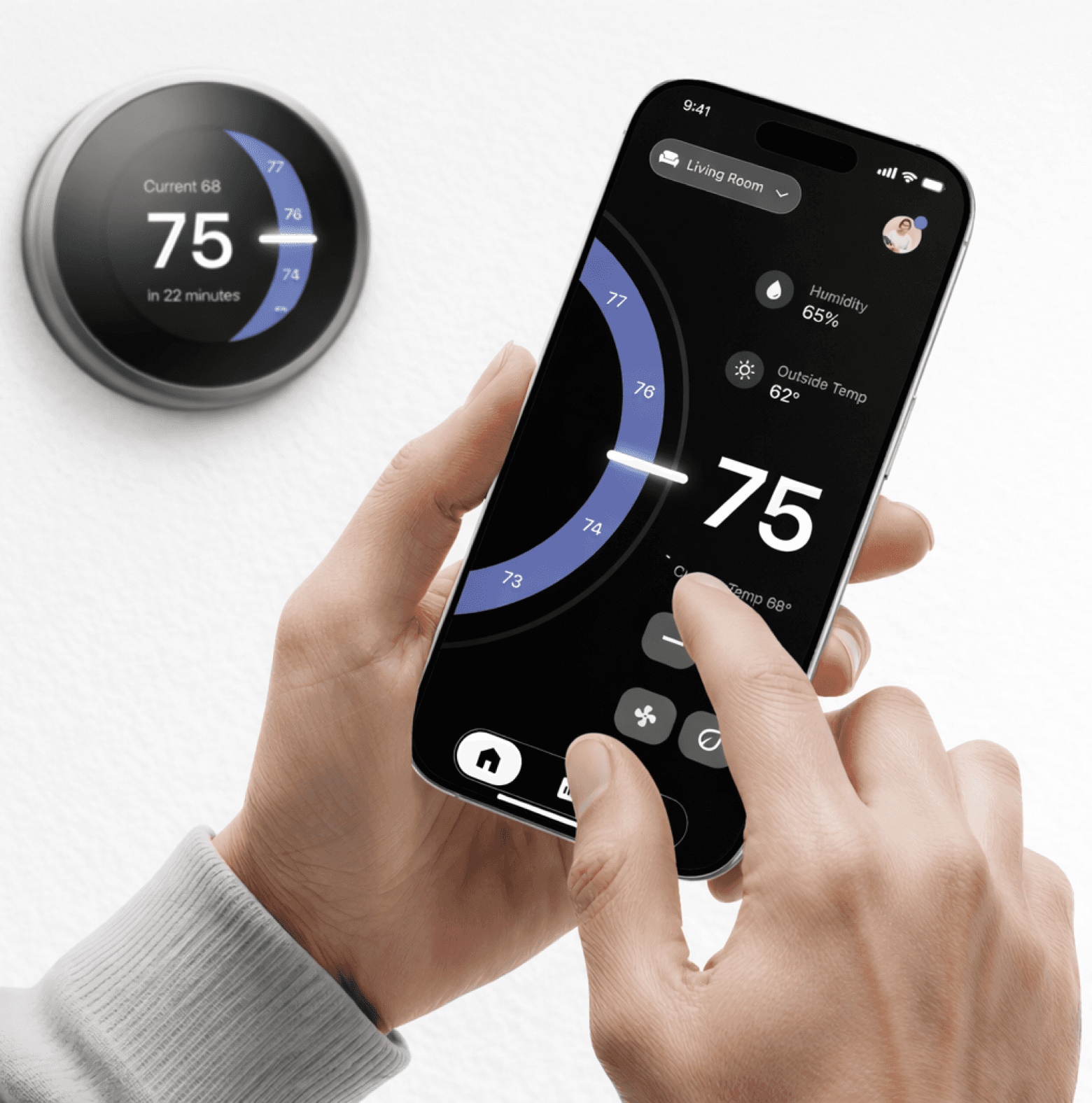
Thermoast:
High-End Innovation
One system for premium home climate—redesigned thermostat + app with clearer schedules, smarter interactions, and sleep-aware comfort.
Product Design
UI/UX
Prototyping
Thermoast:
High-End Innovation
One system for premium home climate—redesigned thermostat + app with clearer schedules, smarter interactions, and sleep-aware comfort.
Product Design
UI/UX
Prototyping
OverFlow
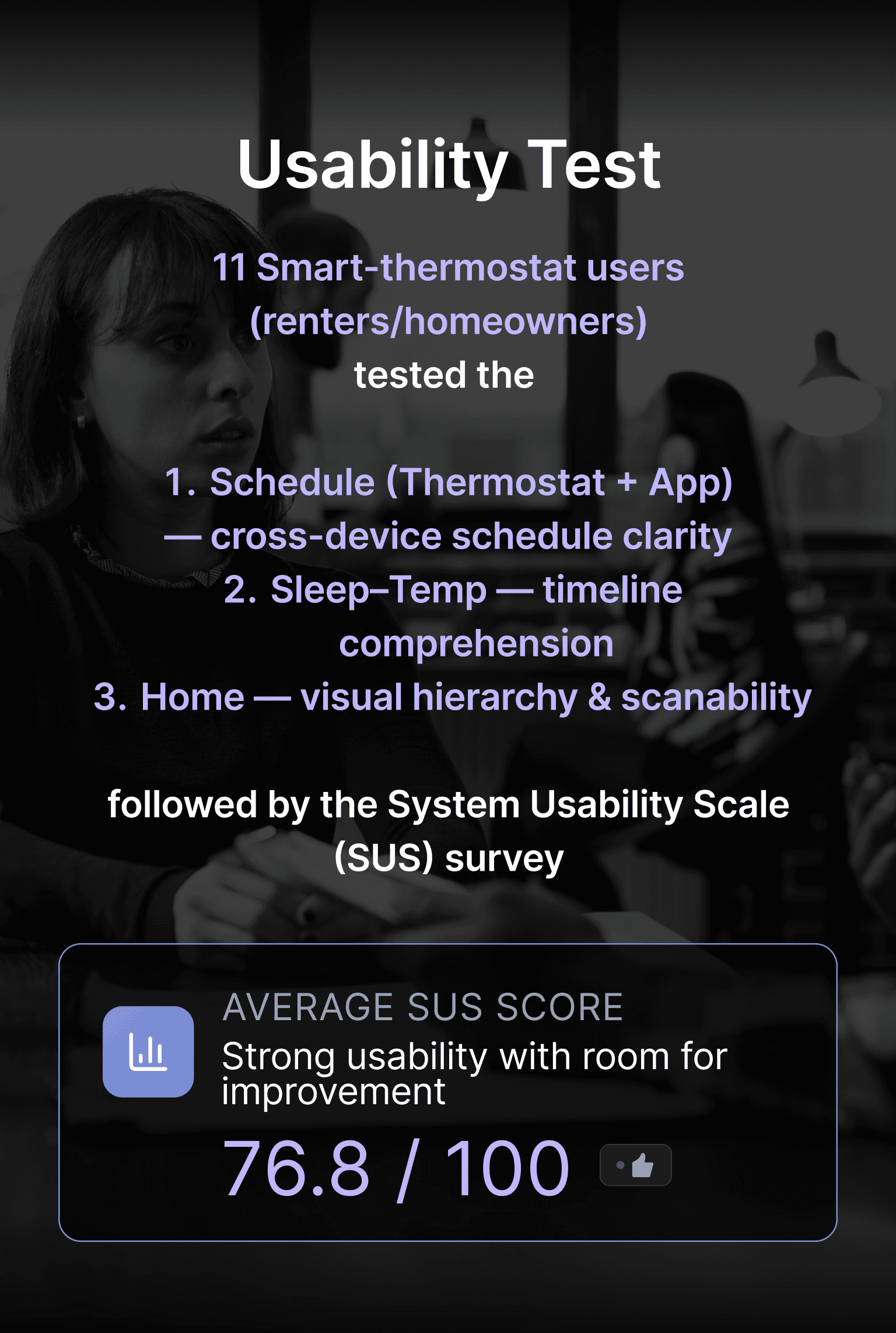
We redesigned Thermoast into a consistent scheduling experience that users can act on instantly.
Through 9 iterations, we transformed insights into
40+ design assets and improved
user confidence end-to-end.
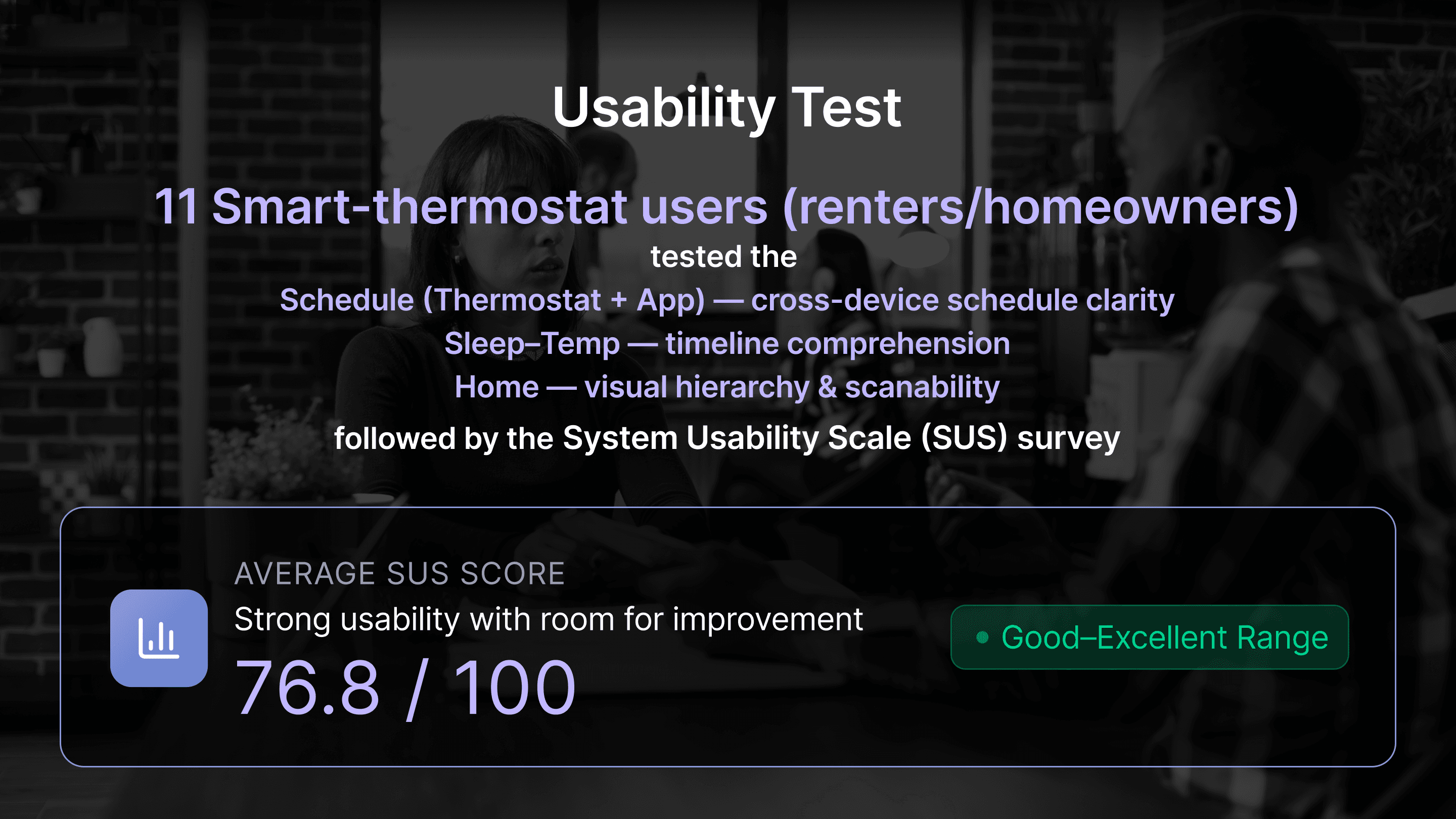
The final prototype scored 7+ satisfaction and strengthened the business path for retention and premium growth.
As Design Lead, I drove the schedule overhaul and built the innovation modules end-to-end. I aligned direction with a design partner through critique loops, and partnered with PMs to turn requirements into crisp, user-centric decisions.
14% of U.S. households use a smart
thermostat today.
25% of them choose Google Nest.
Google Nest With four generations
since 2011 and ~15M U.S. households,
User they want to seek:
•Streamlined Flow
•Minimal Steps

Simplicity
Aesthetics
Simple UI
Visual Clarity
Modern, Elegant Design
Comfortable & Quality
Clear Temperature System
Reliable Performance
Tactile Clarity
Focus on health

Product Constraints
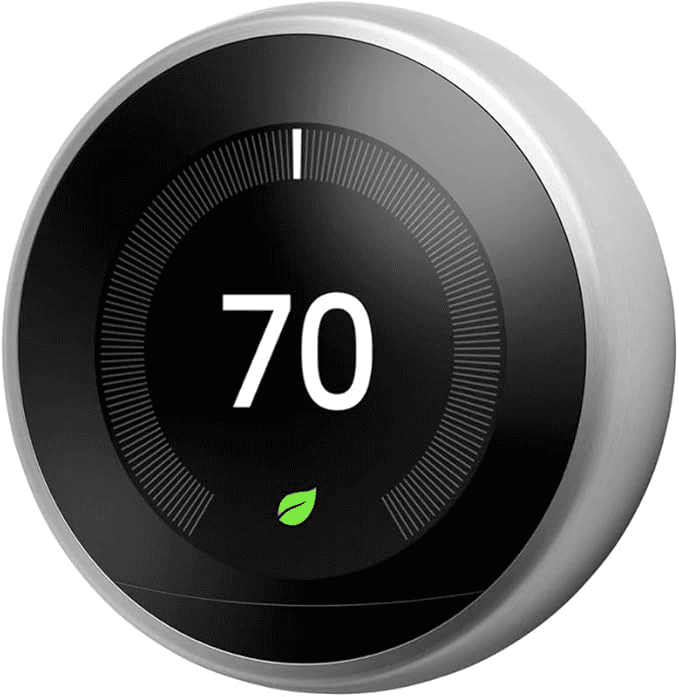
The redesign was constrained by the physical characteristics
of the Nest Thermostat hardware:
2.0" Round Screen: Prioritizing "glanceable" content over data density.
Rotary & Push Input: Linear navigation via a physical ring and button.
Integrated Sensors: Using proximity/light for "hands-free" automated UI.
Zero-Cost Solution: 100% software-driven; no hardware modifications.
Nest Therm.
320 x 320 CSS px
480 x 480 px @1.5x

Only 2 physical inputs on thermoastat
(No touchscreen / No swipe)
Rotate
Knob
Press
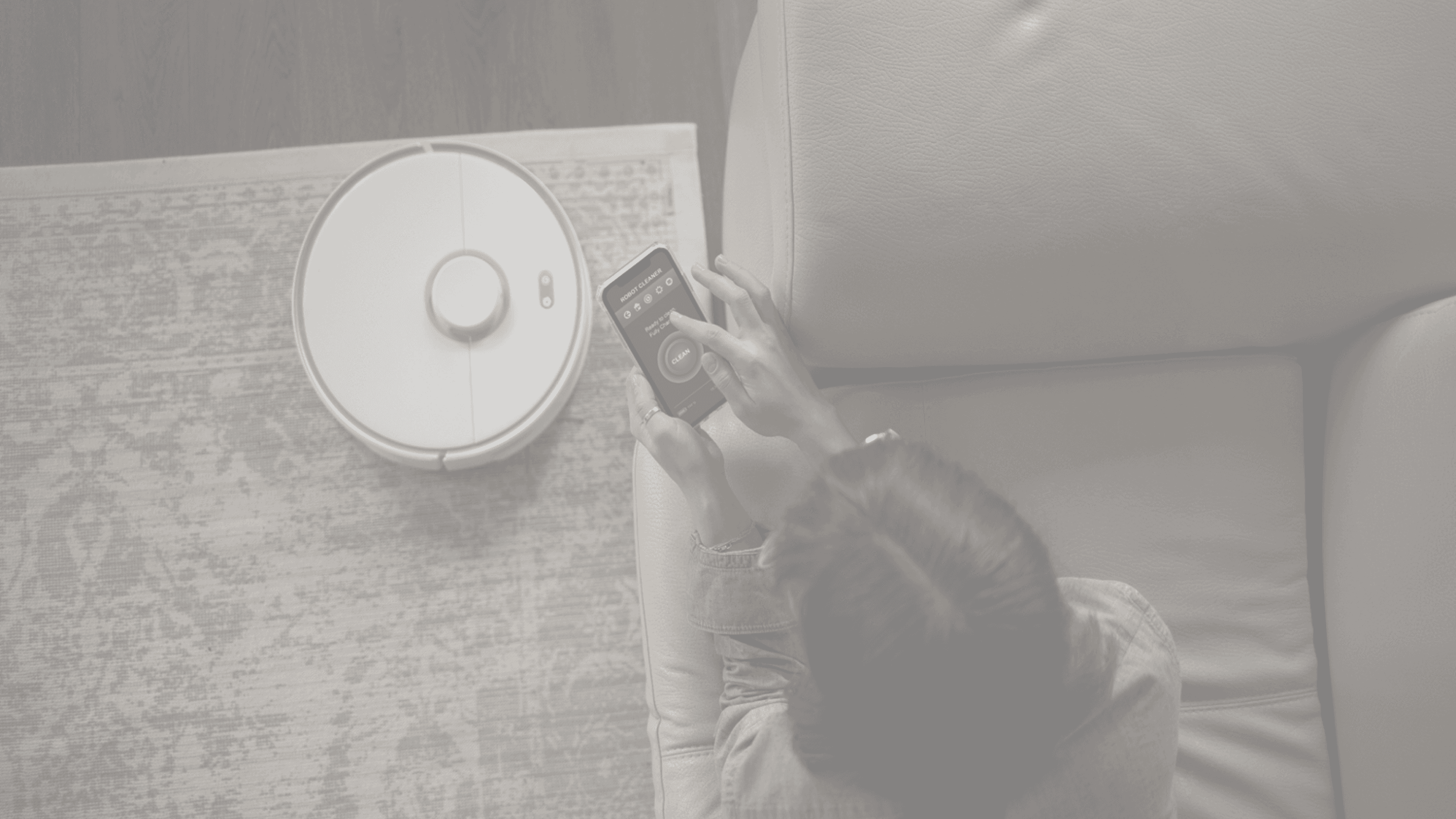
In a U.S. survey of 2,000 adults, 31% said being too hot or cold disrupts sleep
—explaining why people may keep adjusting the thermostat
at night yet still not know what helped.
The Problem
40% - 70%
Users skip scheduling interfaces
because they’re cumbersome.

Goal
From Outdated Visuals → To Modern Clarity
From Fragmented Touchpoints → To Unified Experience
From Complex Controls → To Effortless Actions
From Sleep Guesswork → To Sleep-Aware Comfort
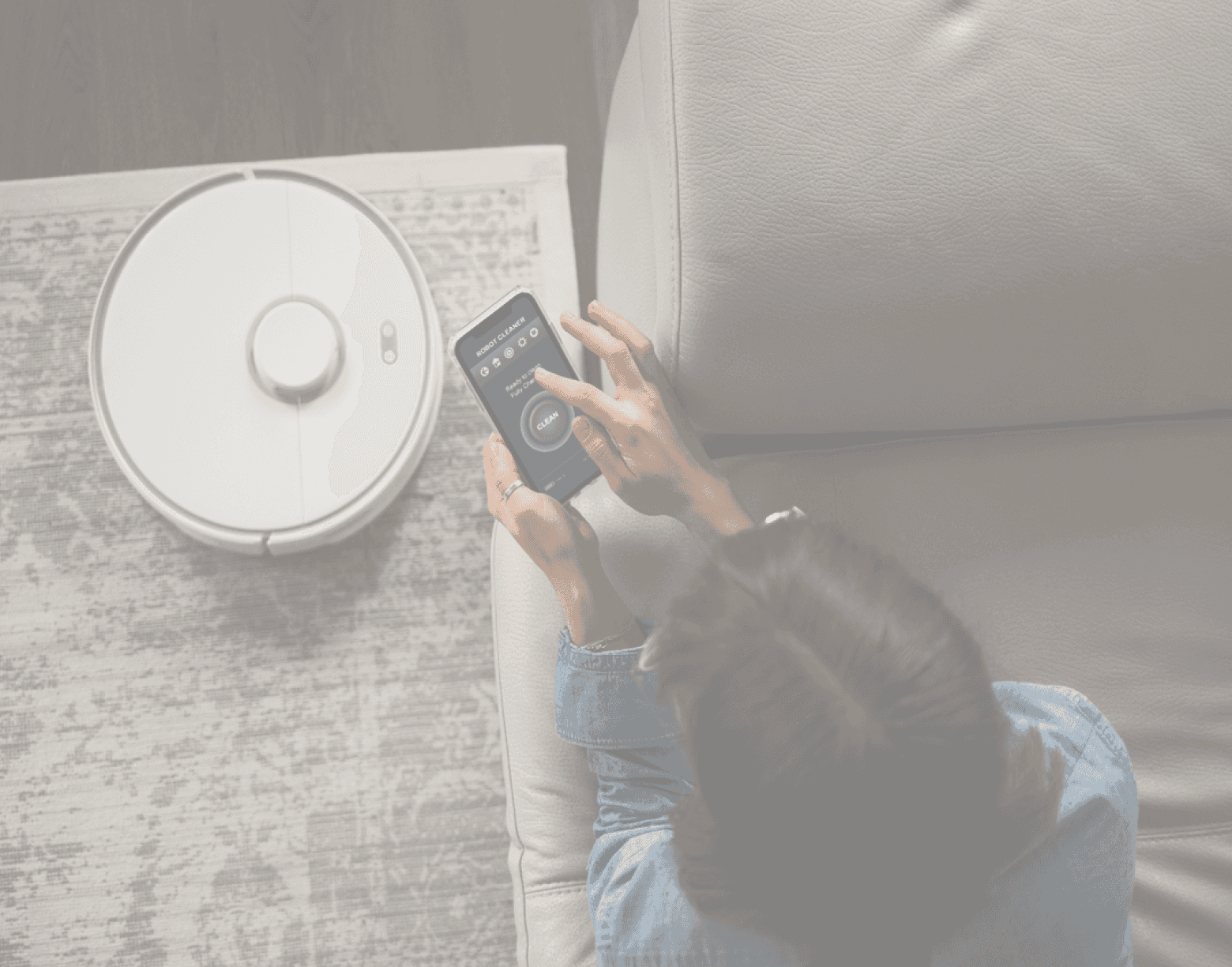
Sleep apps provide metrics but don’t let users control the environment.
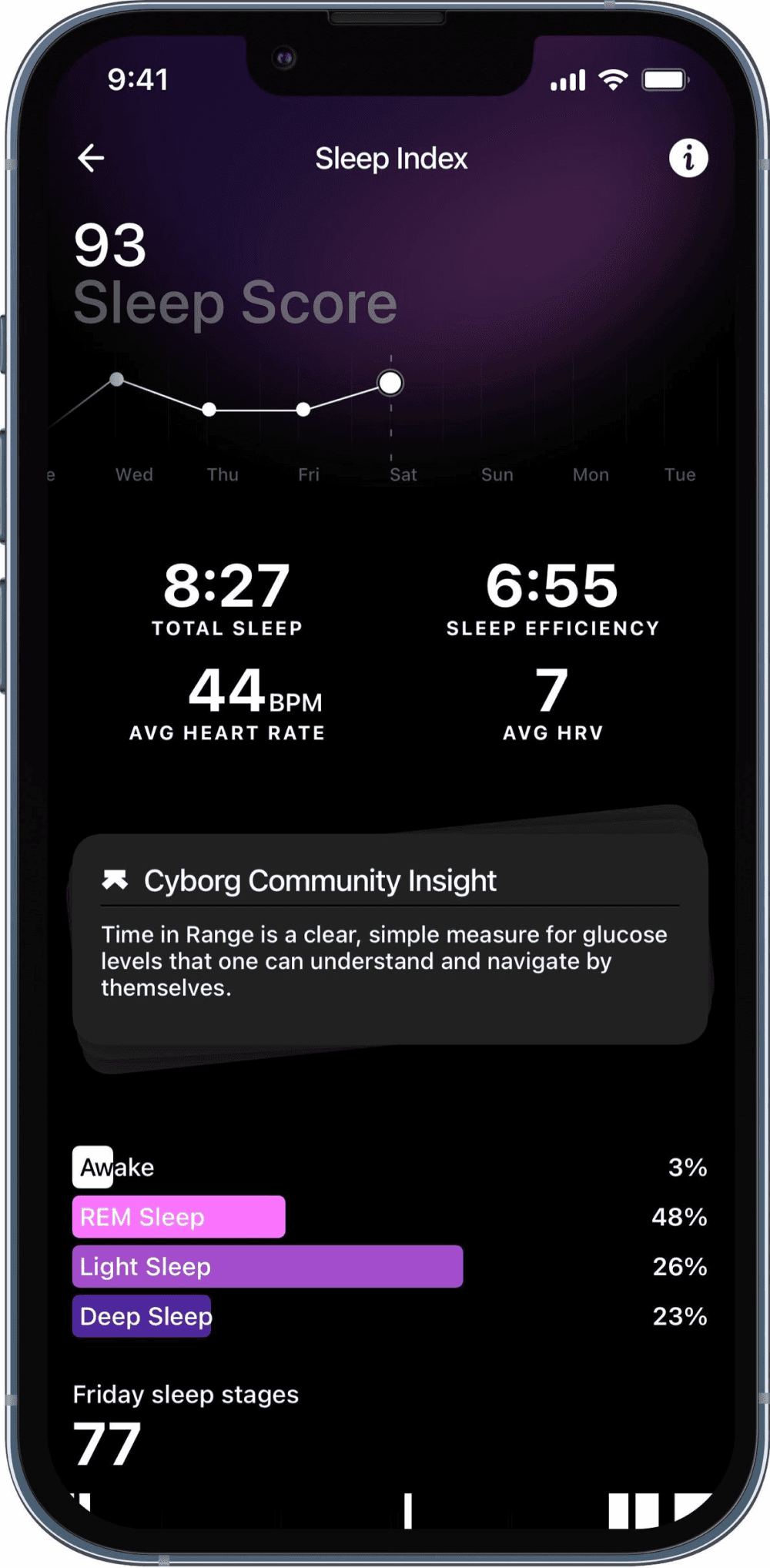
Thermoast unifies sleep stages and temperature in a single timeline, highlighting a personal comfort range for the next night.
Thermostats provide control but don’t explain how nightly temperature patterns relate to sleep outcomes.
Opportunity

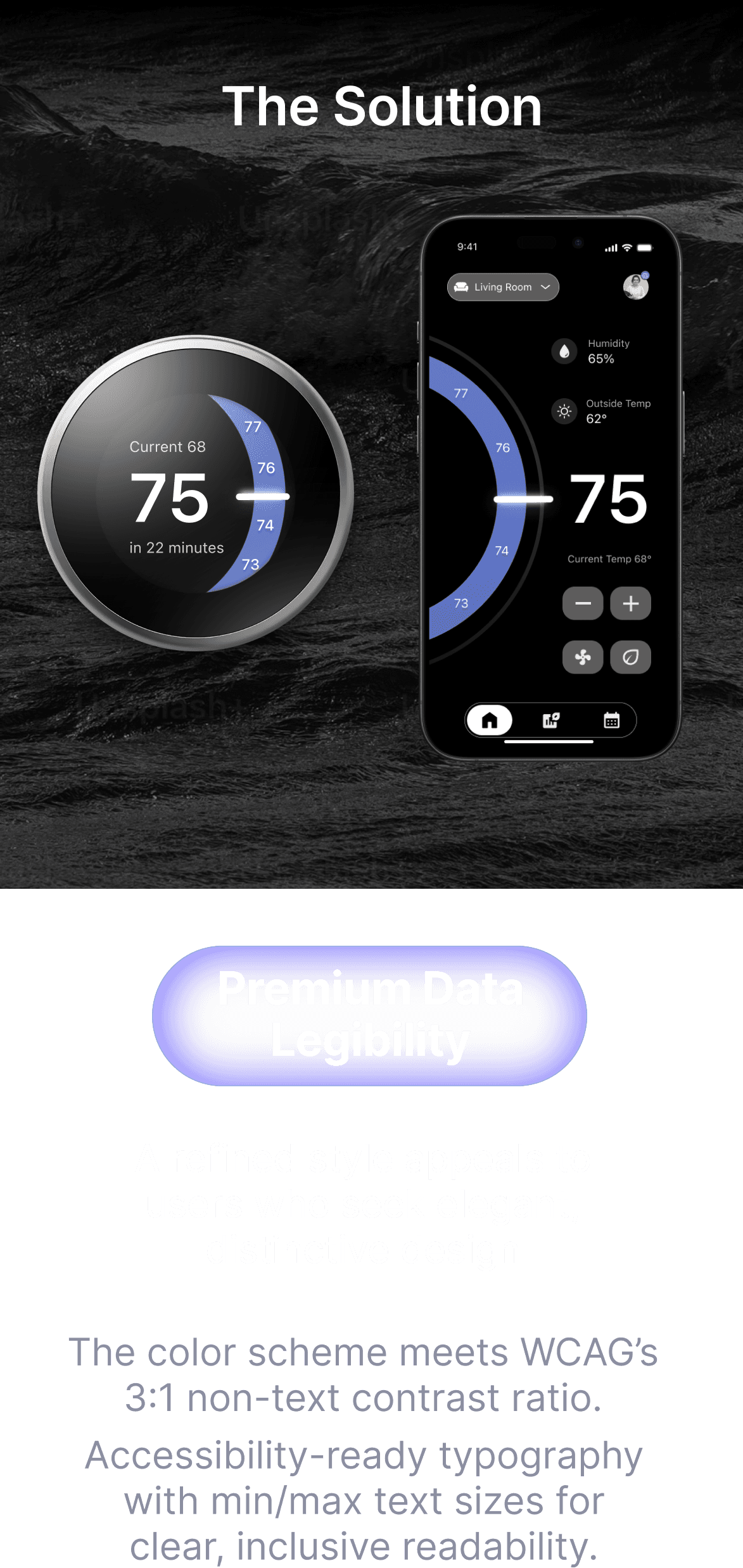
A refined style appeals to users who seek elegant, distinctive design
Premium Data Legibility
The color scheme meets WCAG’s 3:1 non-text contrast ratio.
Accessibility-ready typography with min/max text sizes for clear, inclusive readability.
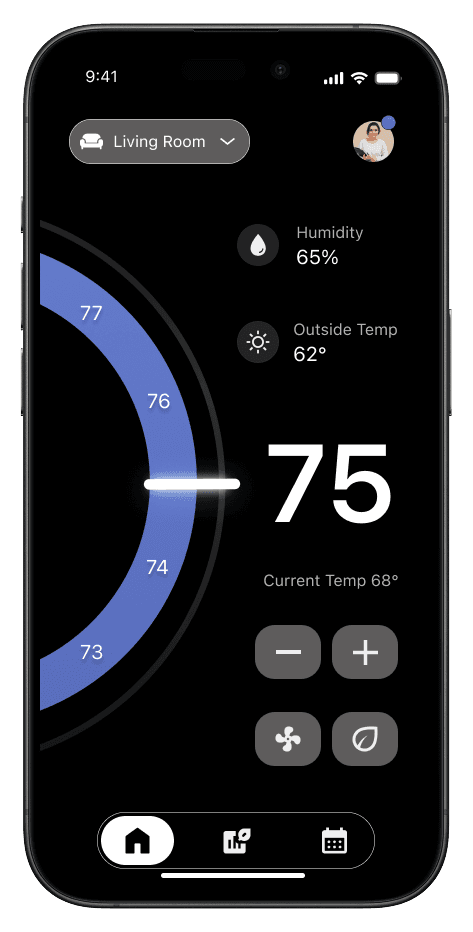
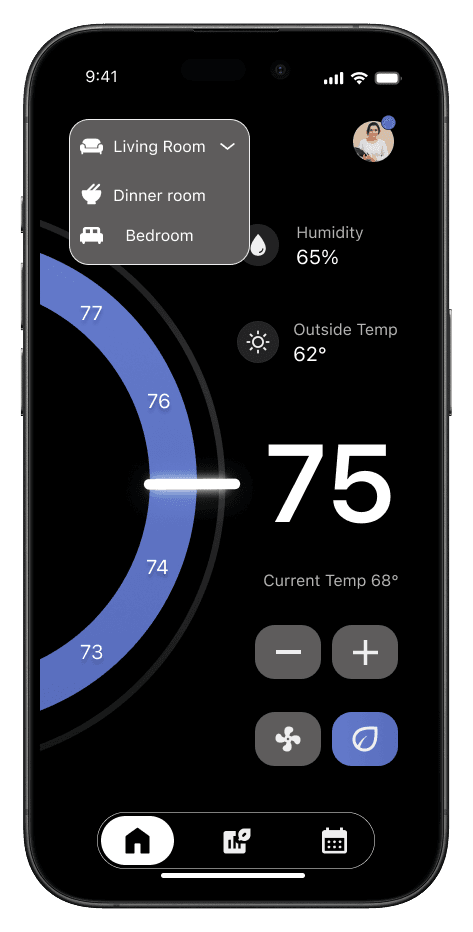
The Solution

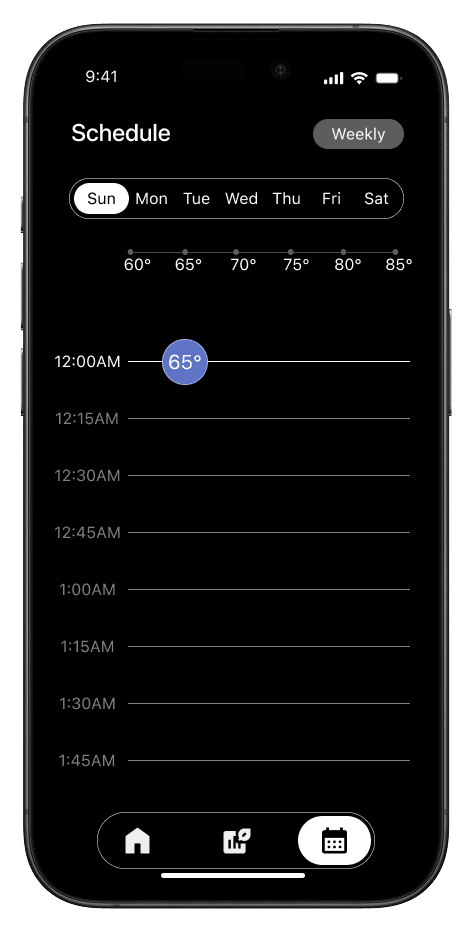
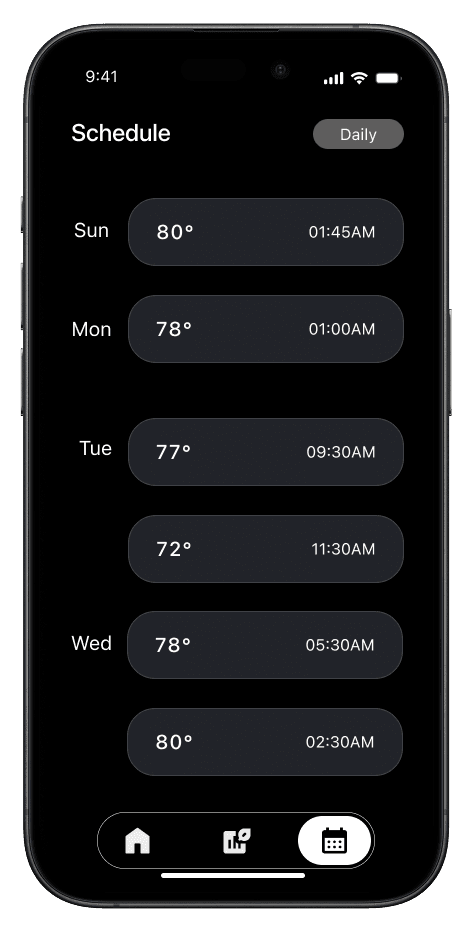
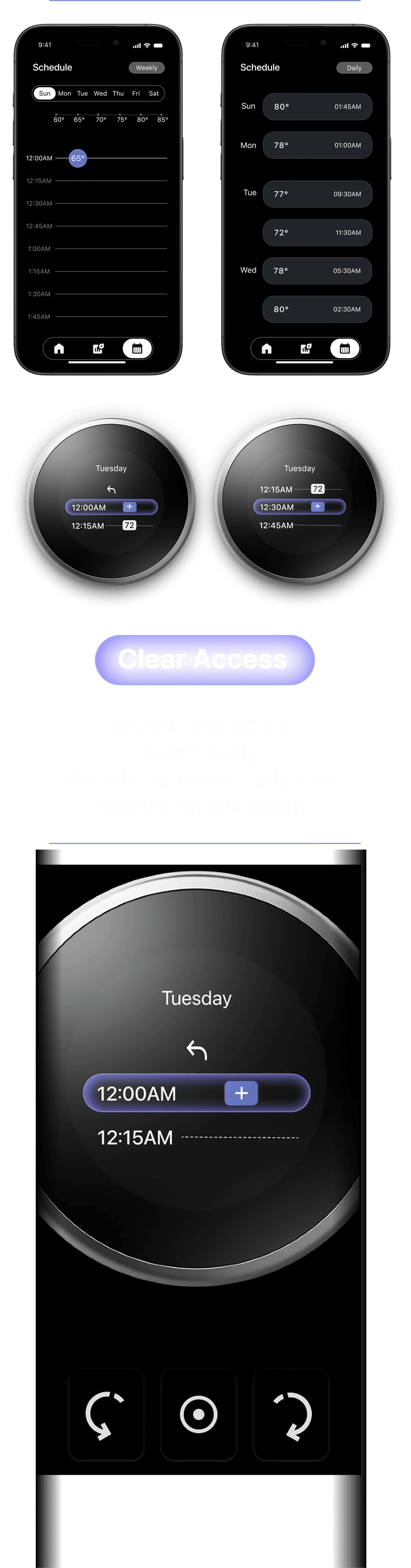
Review and adjust seamlessly
Clear Access
Switch between Daily and Weekly review easily
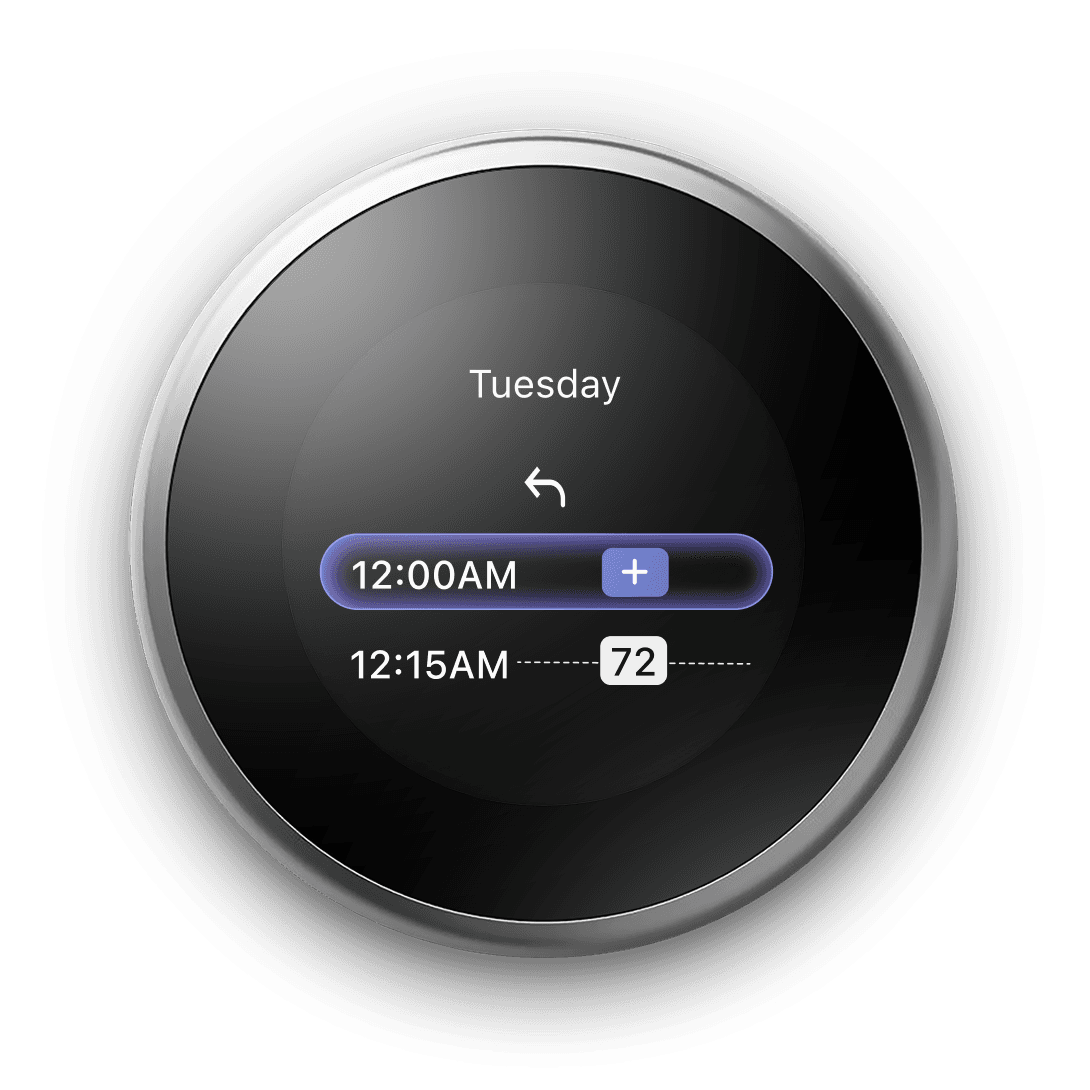
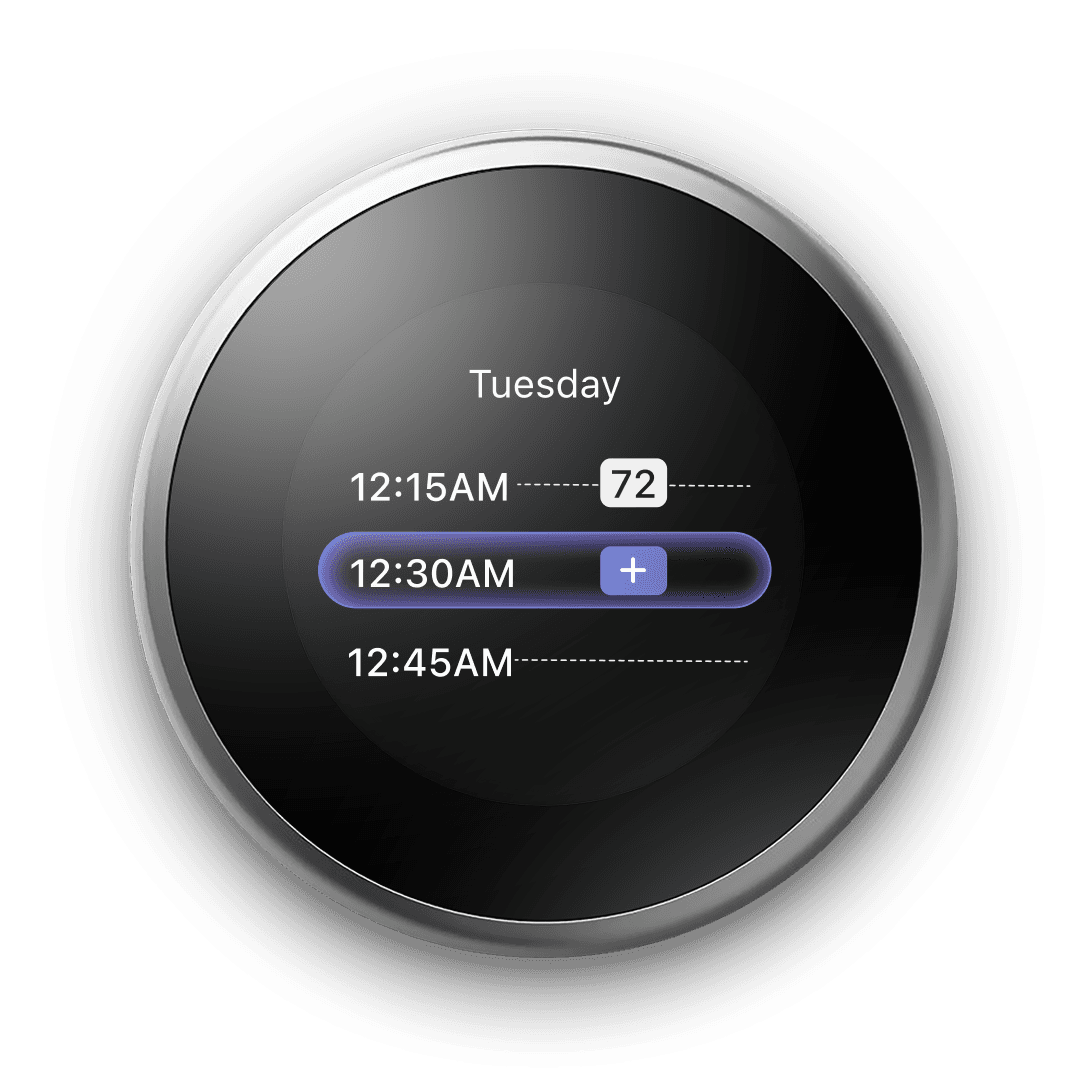
Effortless Temperature Tuning
Change temperature easily
And easy to back and edit
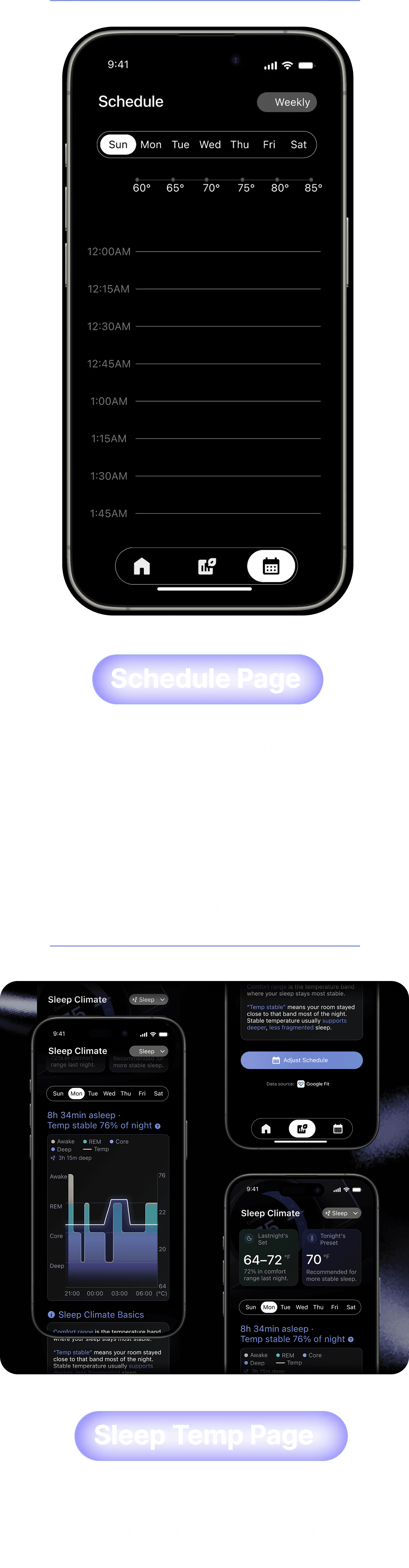
Schedule Page
Intuitive interaction, just drag
your finger to modify the time
and temperature
Or edit or delete instantly in place
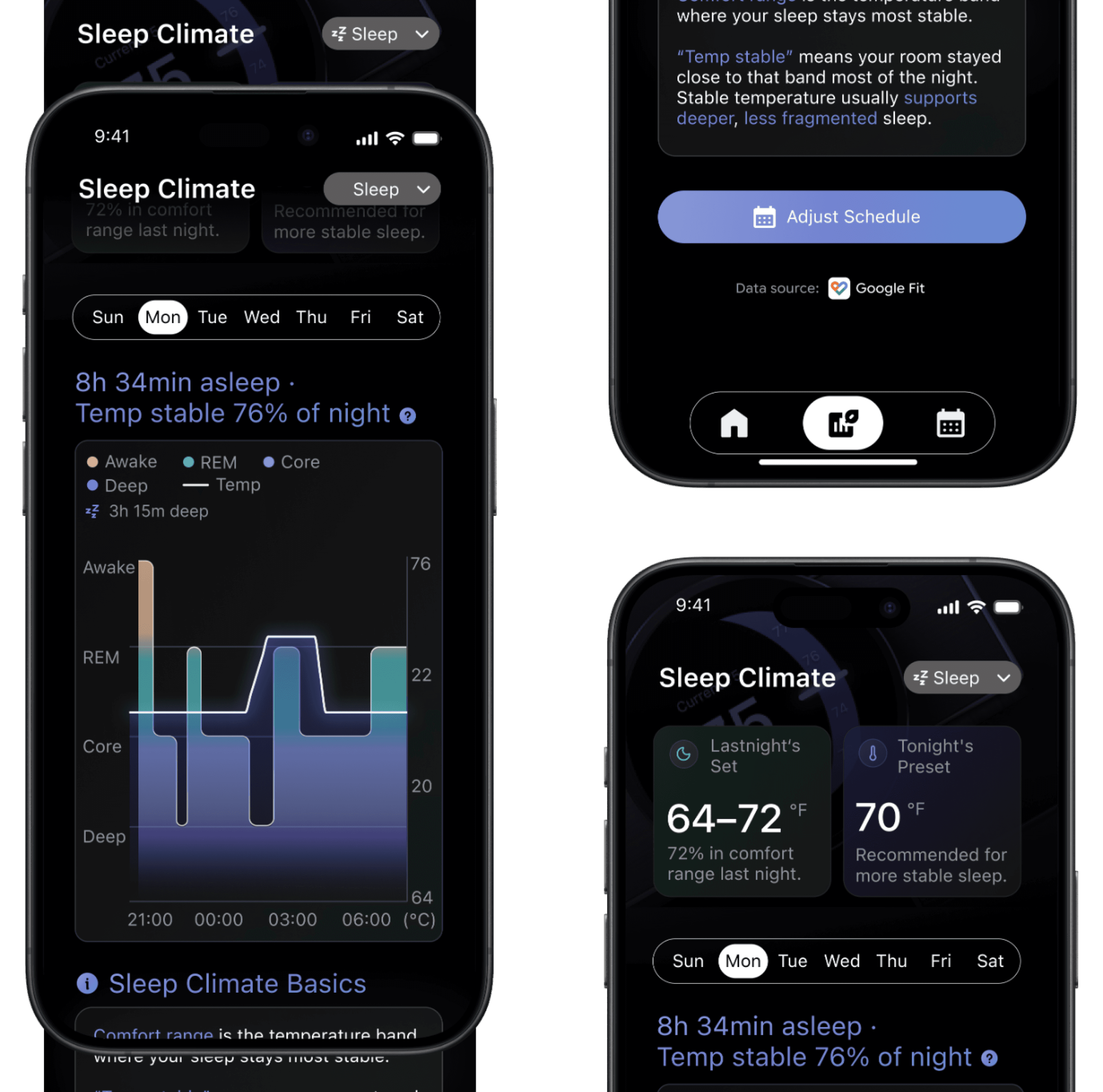
Sleep Temp Page
Links sleep stages with temperature for quick, easy review.
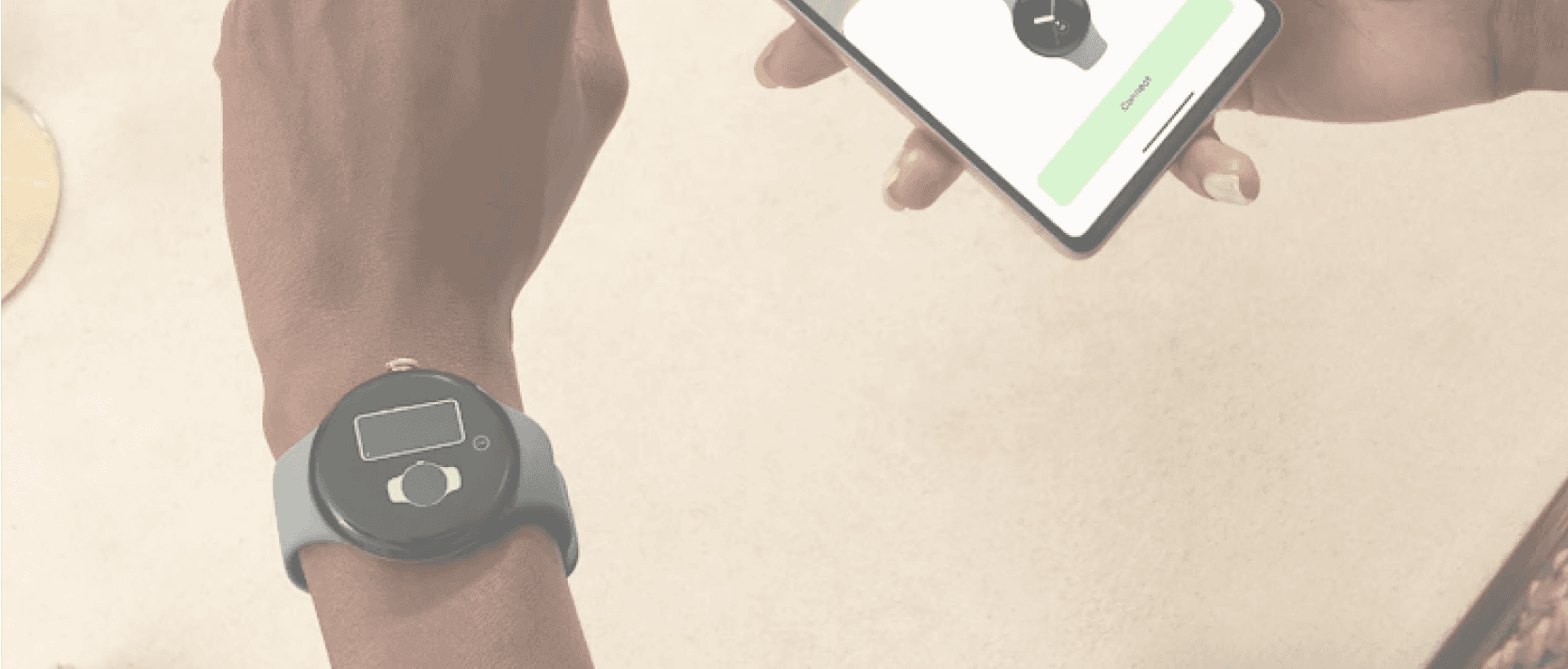
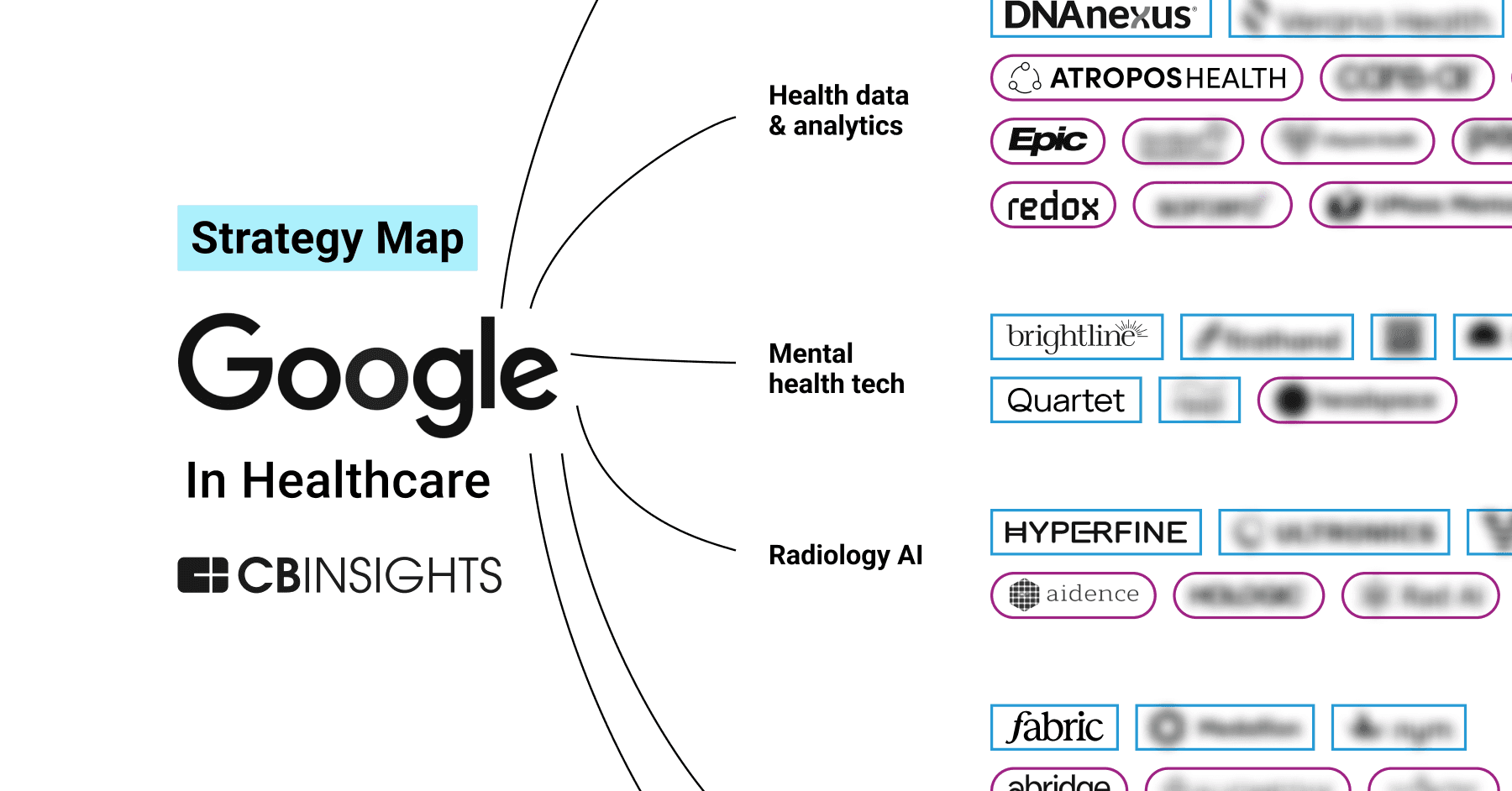
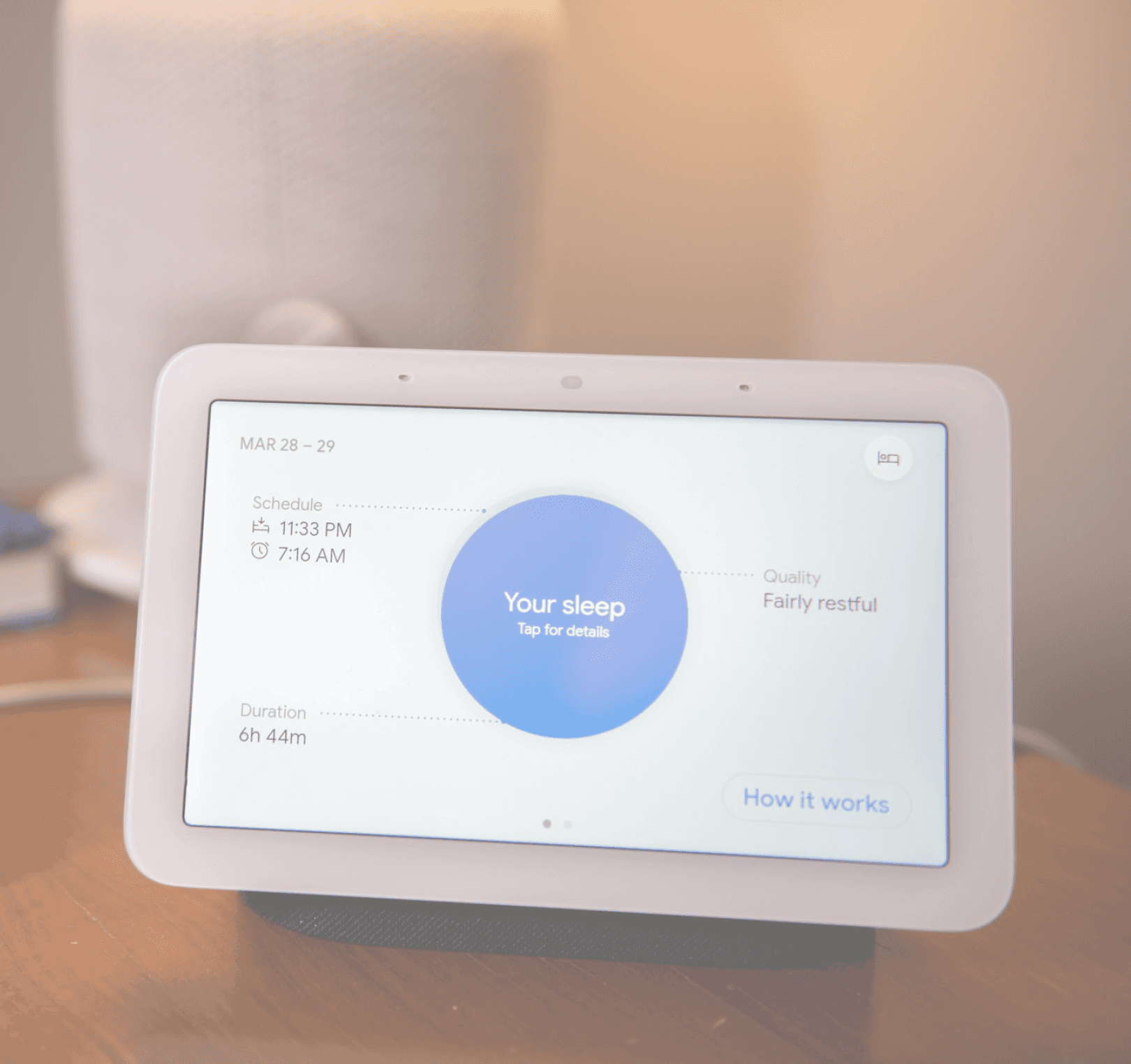
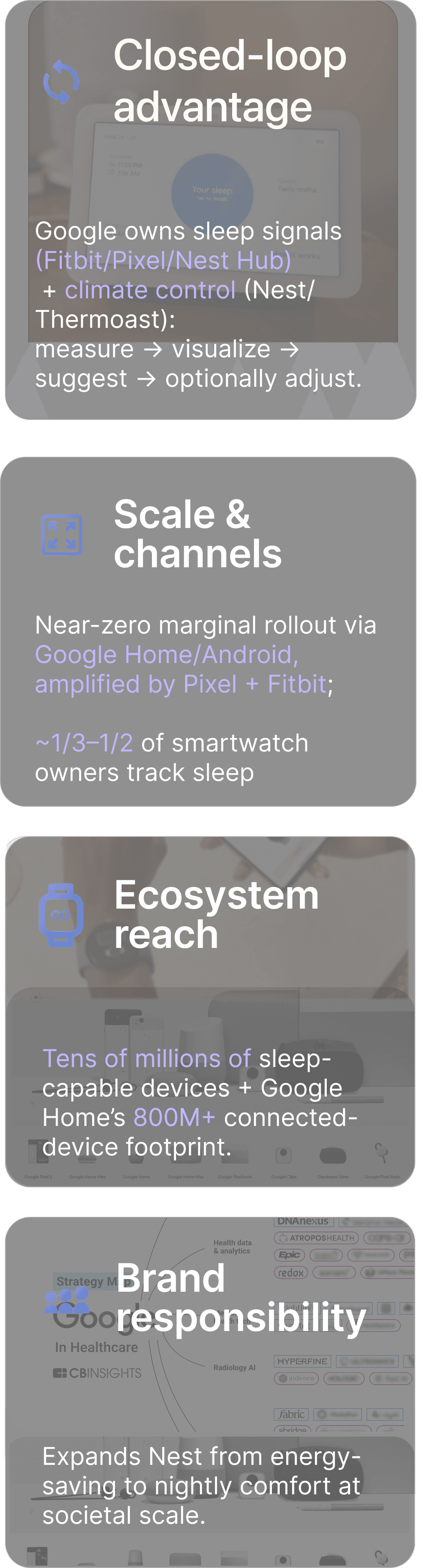
Google owns sleep signals (Fitbit/Pixel/Nest Hub)
+ climate control (Nest/Thermoast):
measure → visualize → suggest → optionally adjust.
Near-zero marginal rollout via Google Home/Android, amplified by Pixel + Fitbit;
~1/3–1/2 of smartwatch owners track sleep
Scale & channels
Closed-loop advantage
Brand responsibility
Expands Nest from energy-saving to nightly comfort at societal scale.
Ecosystem reach
Tens of millions of sleep-capable devices + Google Home’s 800M+ connected-device footprint.
For sleep & Temperature
Strategic Fit: Why Google / Why now
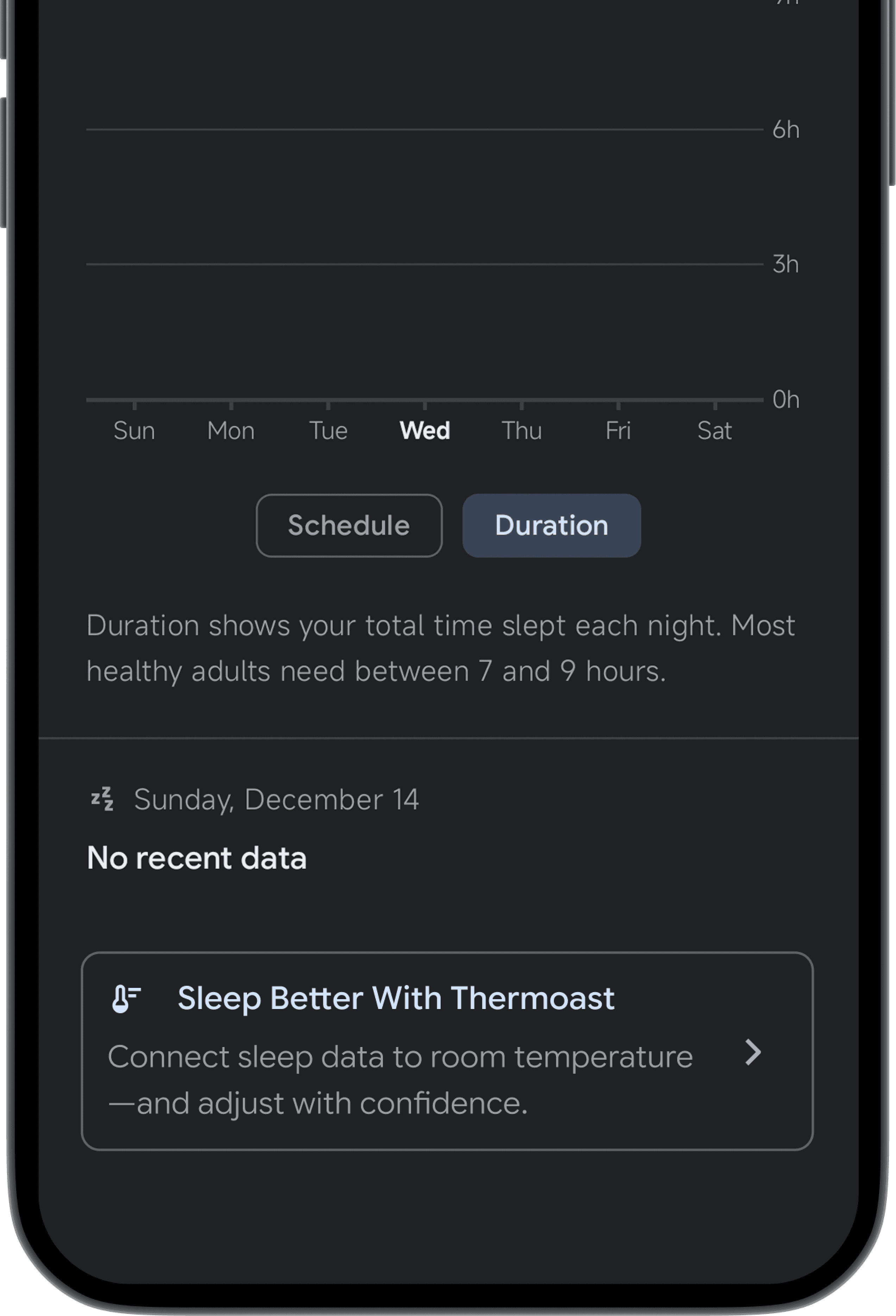
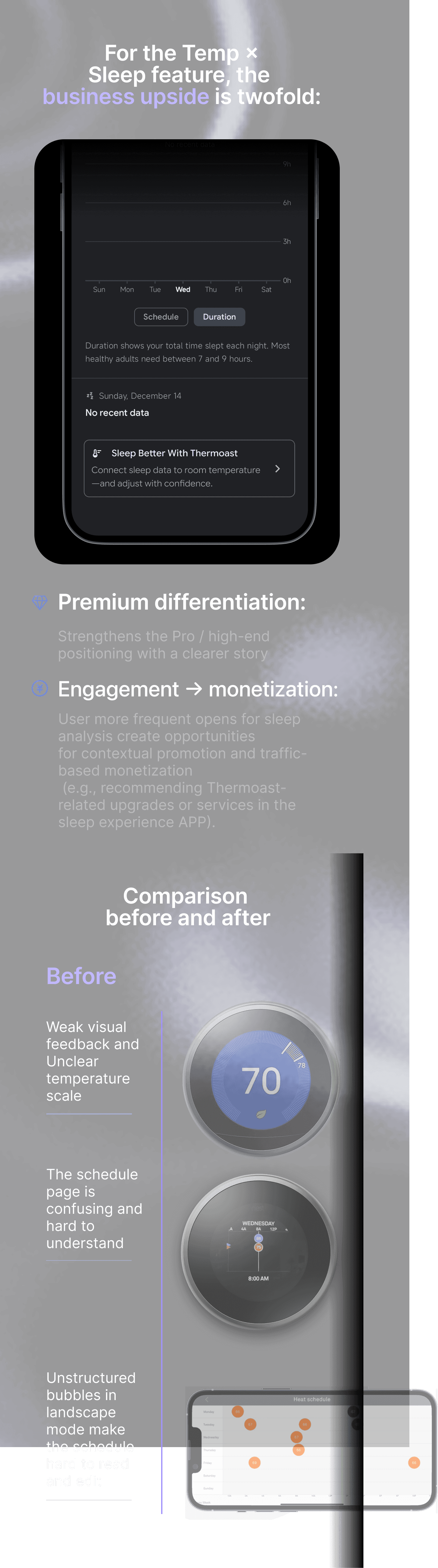
For the Temp × Sleep feature,
the business upside is twofold:
Premium differentiation:
Strengthens the Pro / high-end
positioning with a clearer story
Engagement → monetization:
User more frequent opens for sleep analysis create opportunities for contextual promotion and traffic-based monetization
(e.g., recommending Thermoast-related upgrades or services in the sleep experience APP).
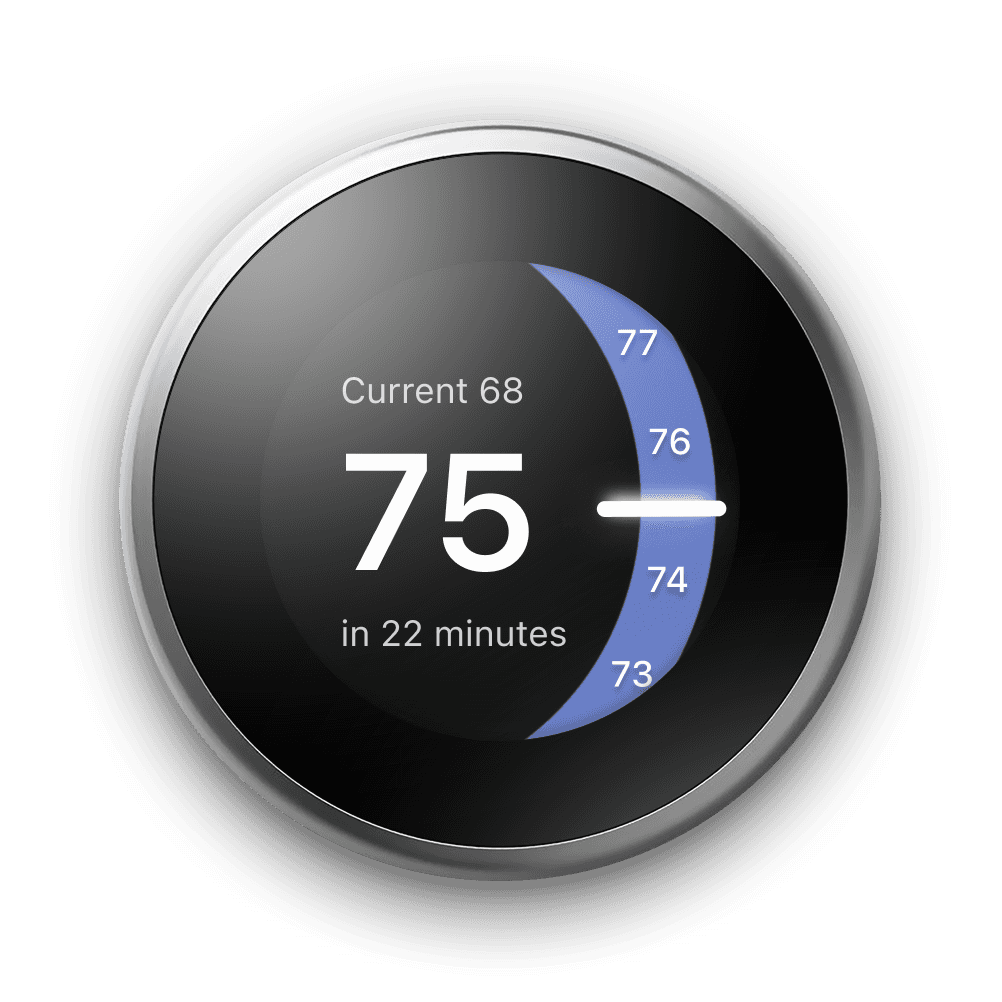
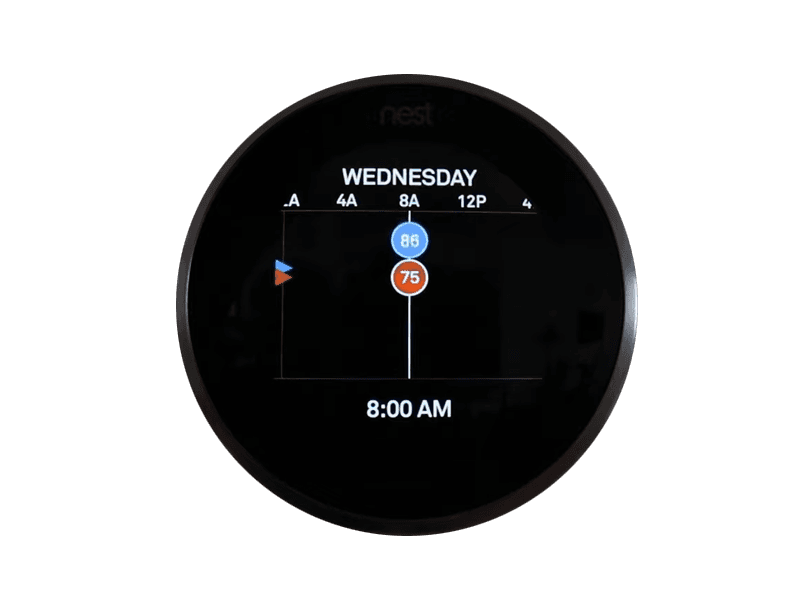
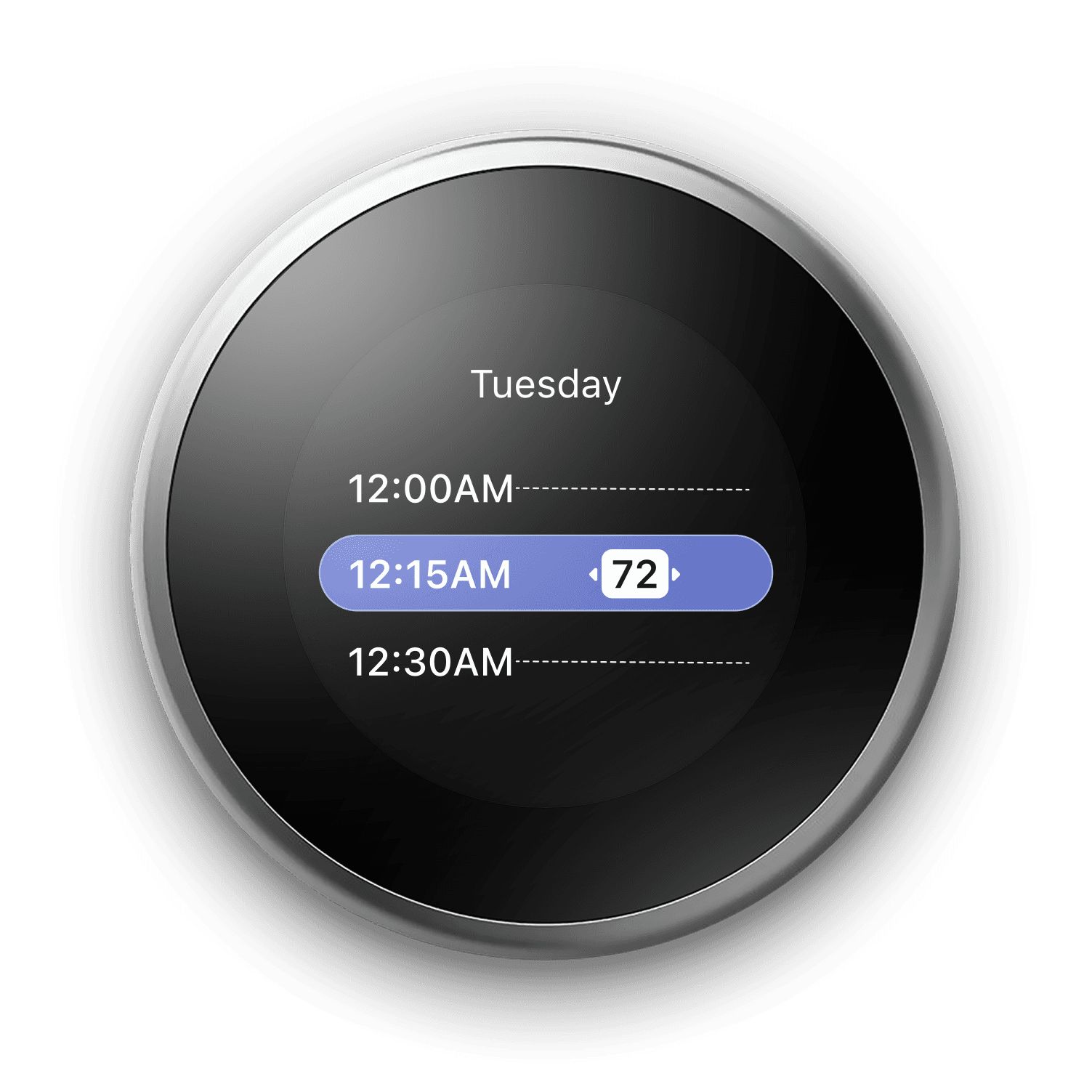
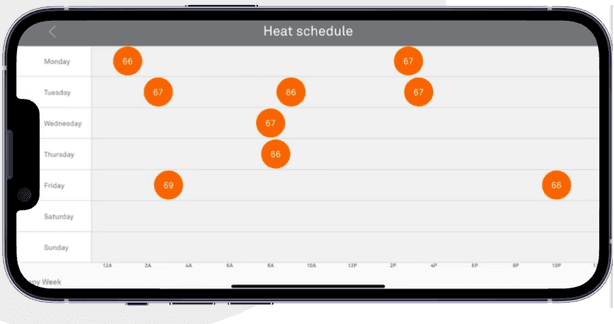
Comparison before and after
Before
Weak visual feedback and Unclear temperature scale
The schedule page is confusing and hard to understand
Unstructured bubbles in landscape mode make the schedule hard to read and edit
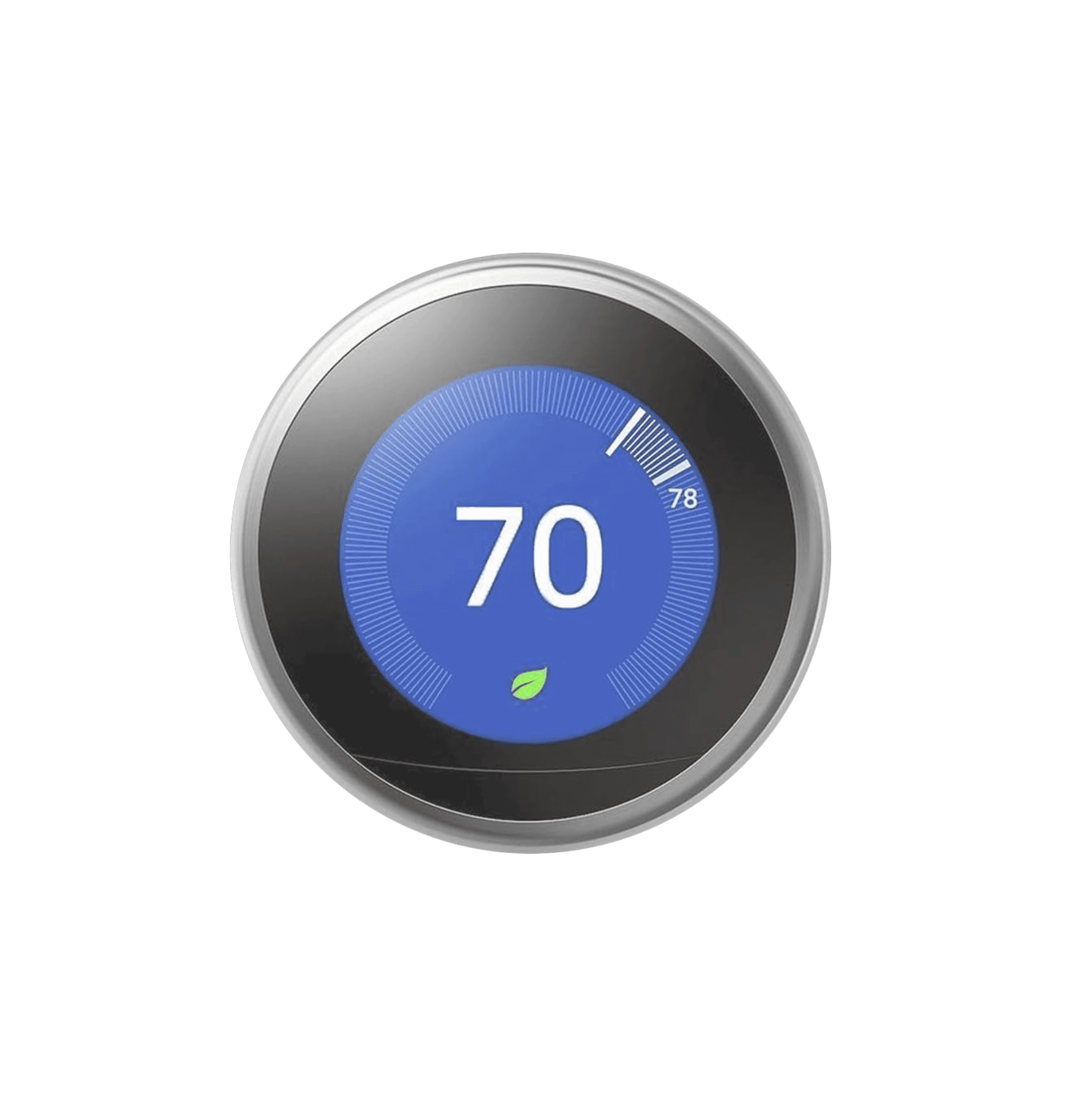
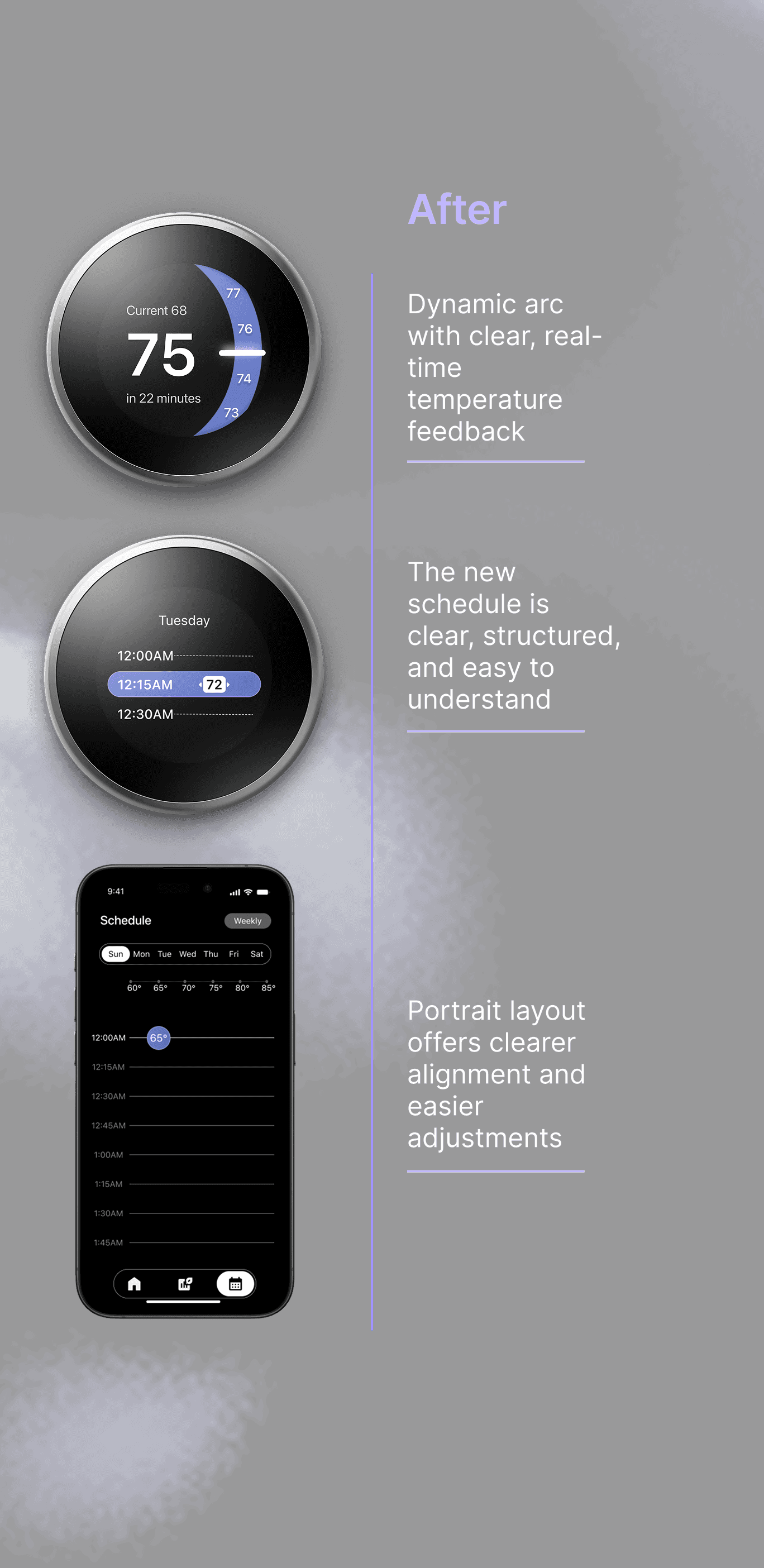
After
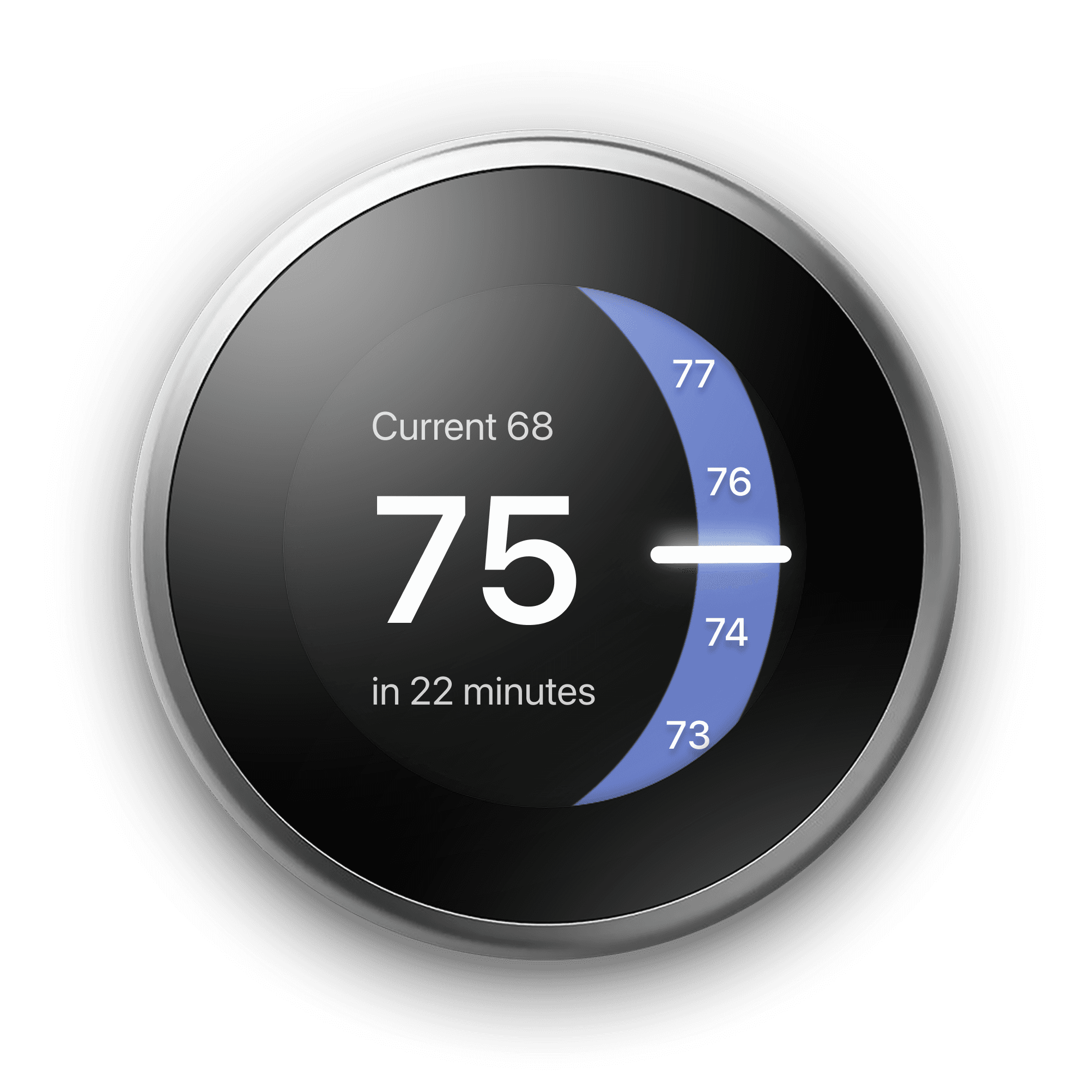
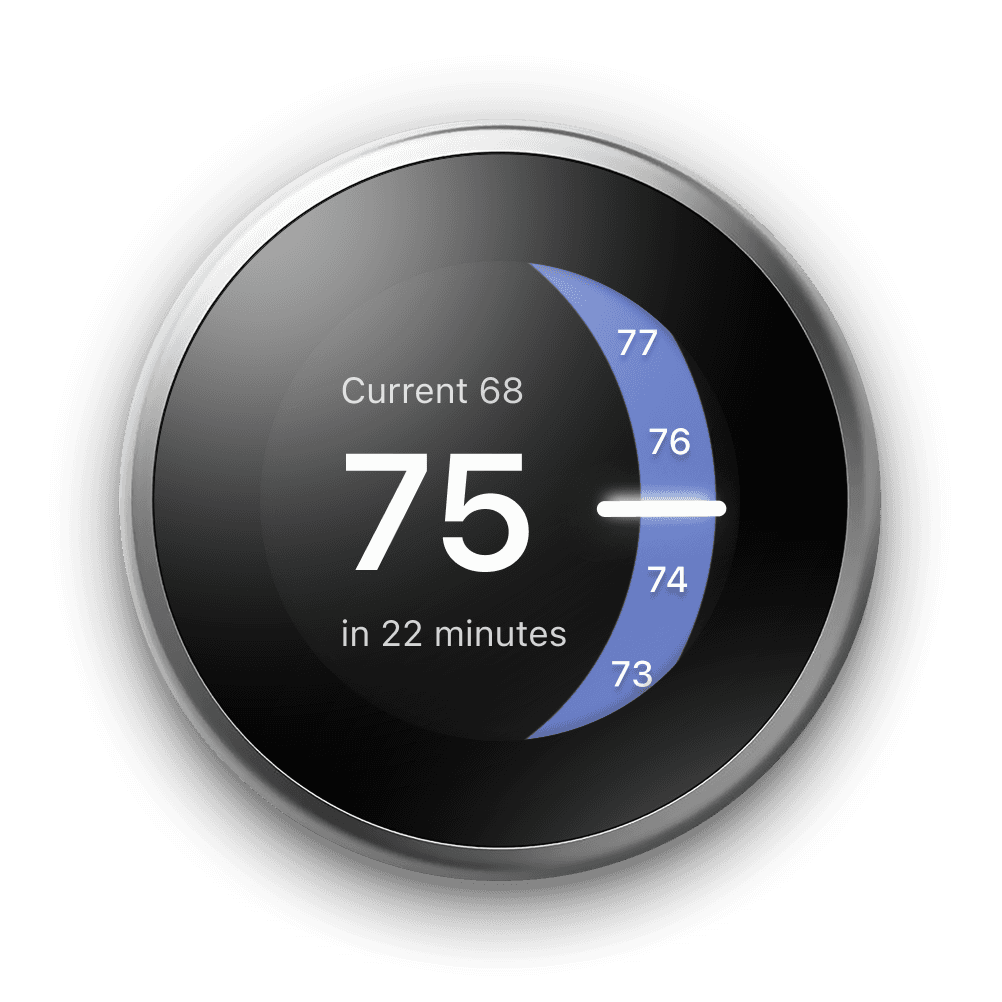
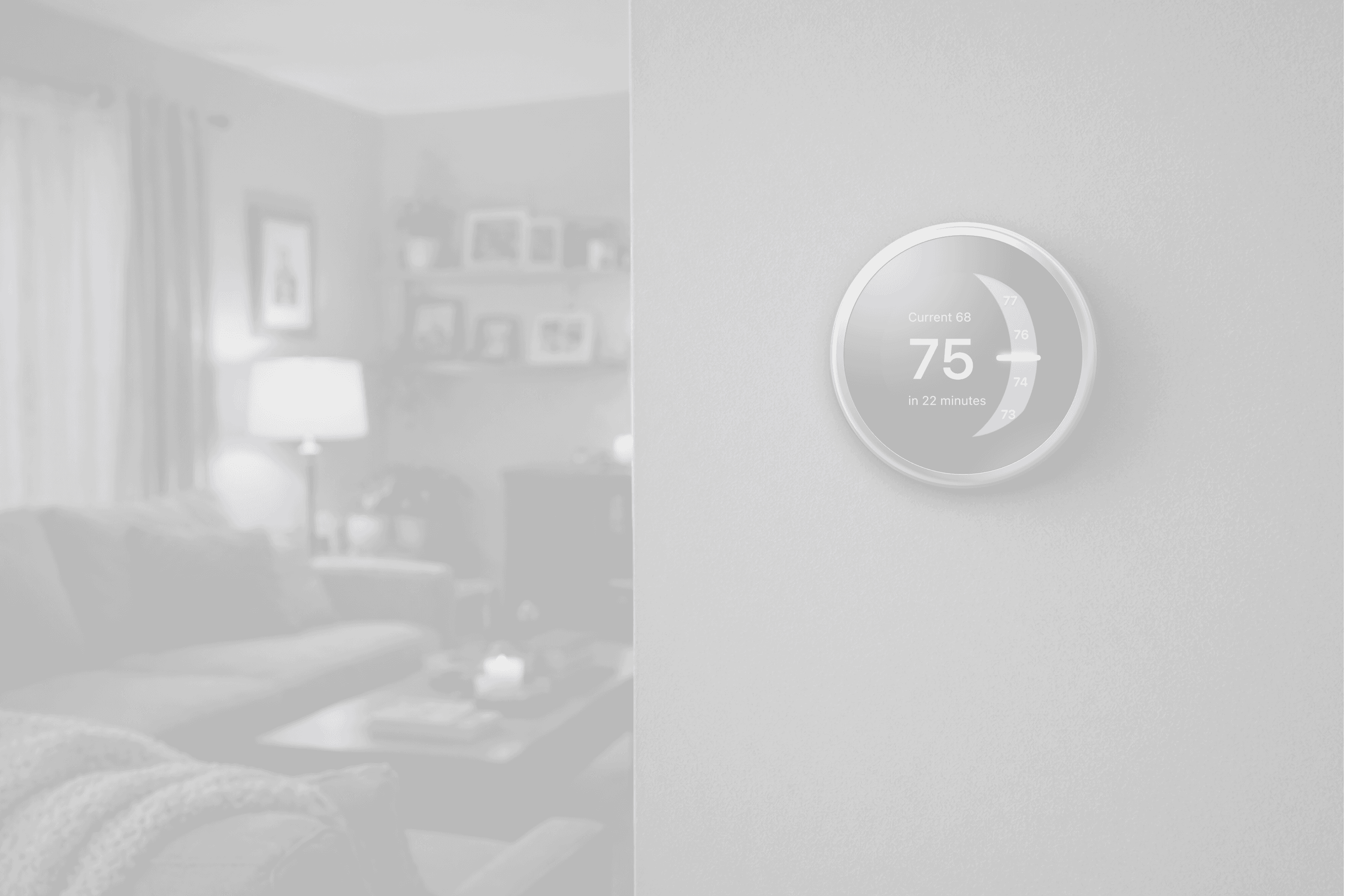
Dynamic arc with clear, real-time temperature feedback
The new schedule is clear, structured, and easy to understand
Portrait layout offers clearer alignment and easier adjustments
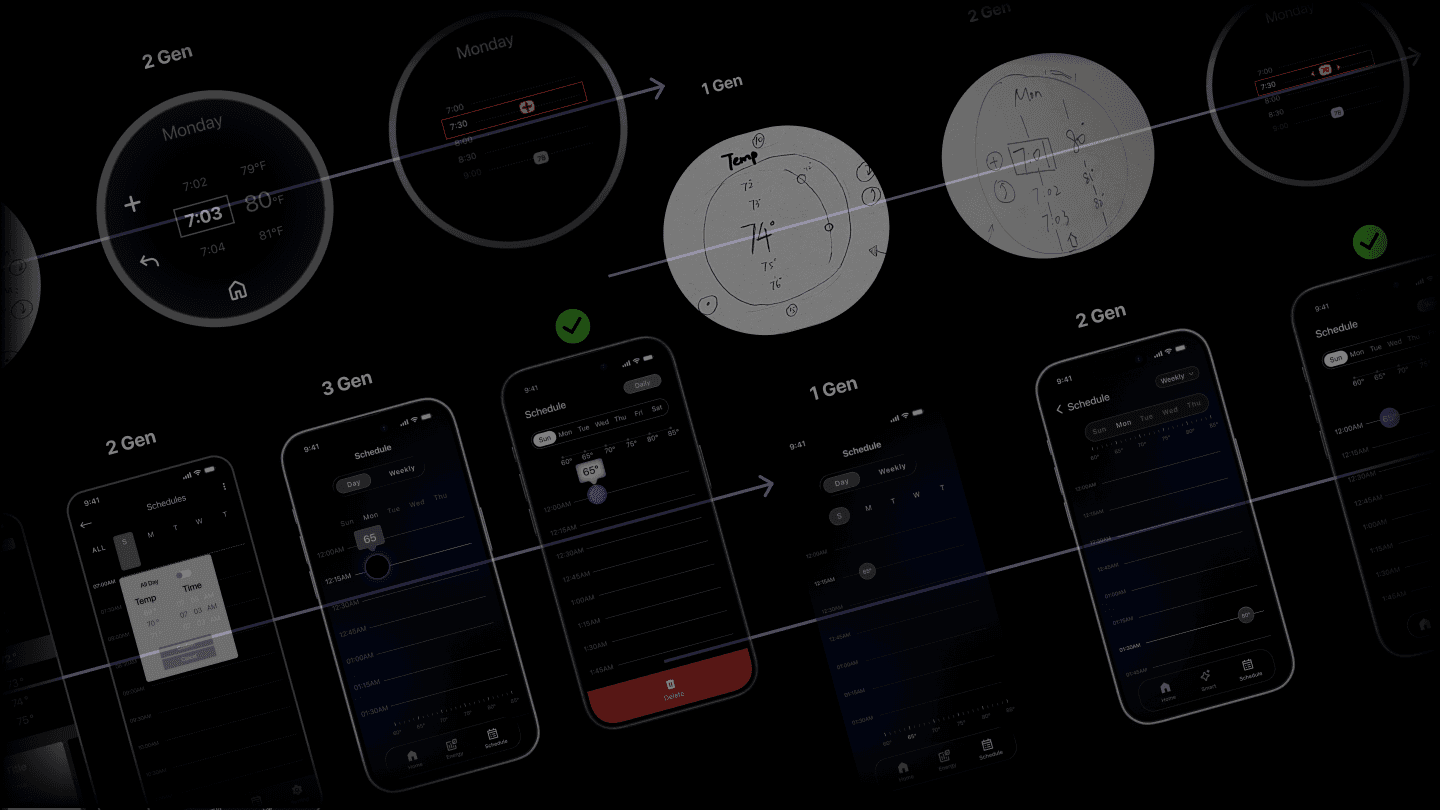
Refining and improving the thermostat through 9 design versions
Applying Insights Through Iteration
For the full project, please visit:
https://www.figma.com/design/vphSohyhK2ntiOiaiGvrRQ/%E4%BD%9C%E5%93%81%E9%9B%86%E9%A1%B9%E7%9B%AE%E4%B8%80?node-id=0-1&t=VKufScKwBrDgtLh3-1
Iterated refinement drove
Task efficiency
Product innovation
Visual system coherence
—extending product longevity.
Next step:
Larger test sample / Long-term sleep data / Privacy and permissions challenge
See more detail:
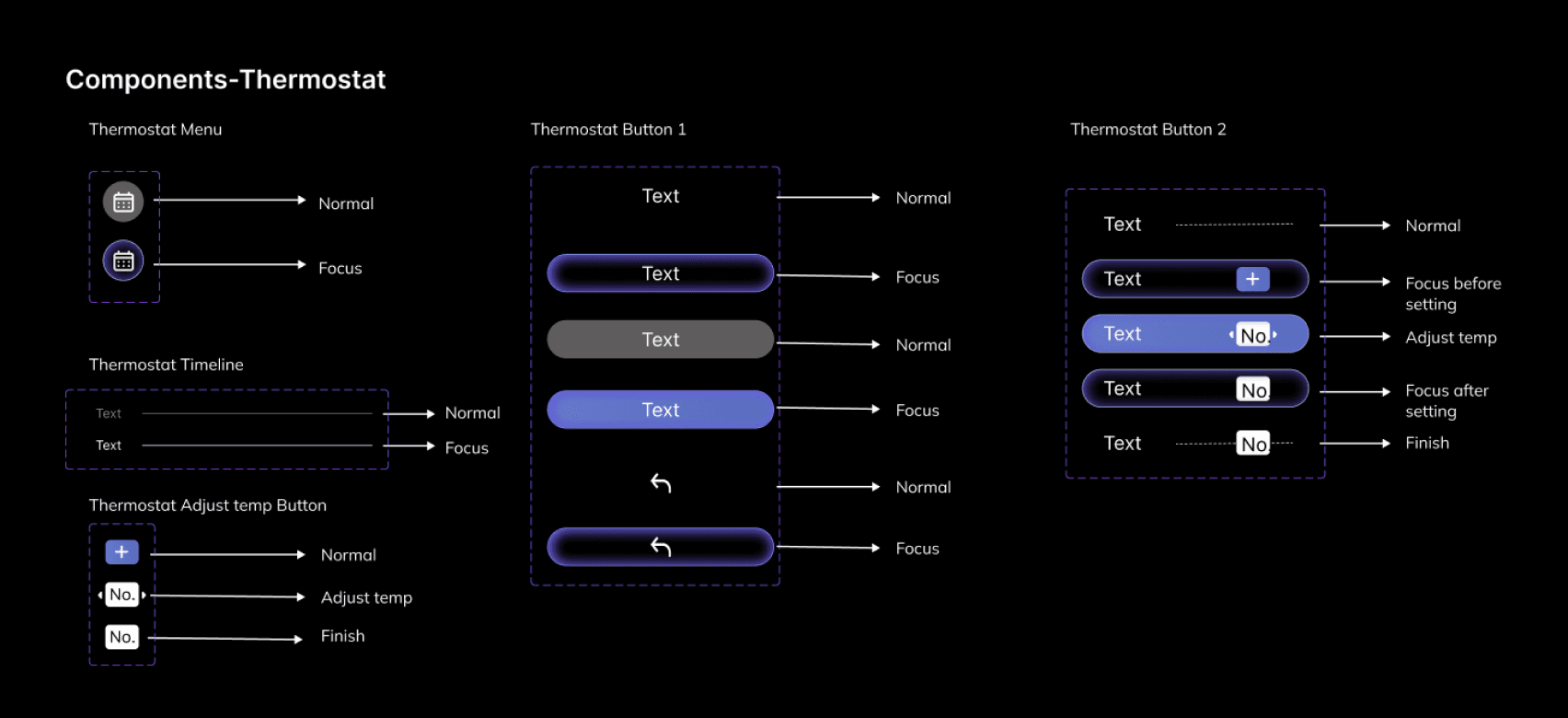
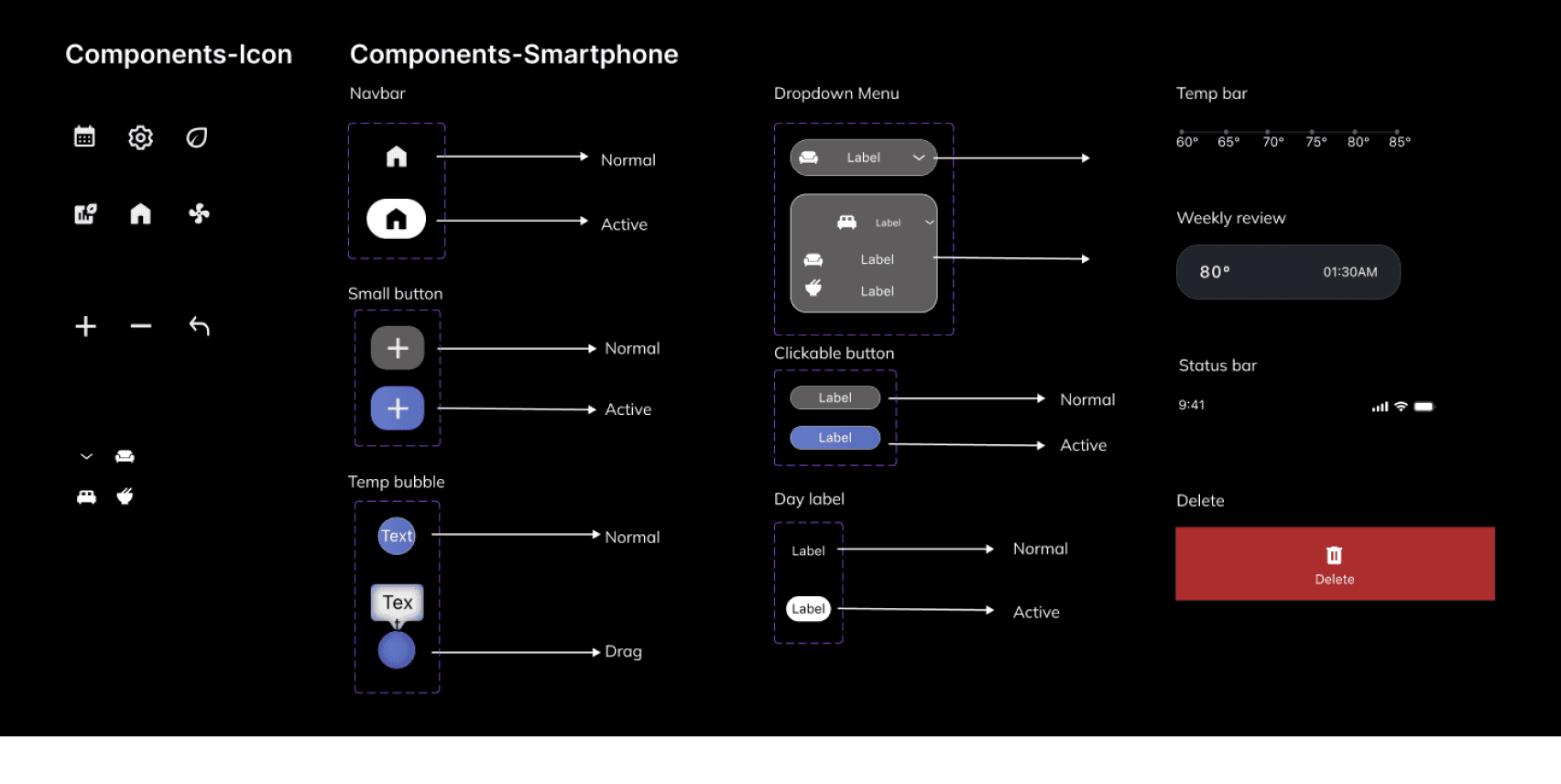
Component library / Interface
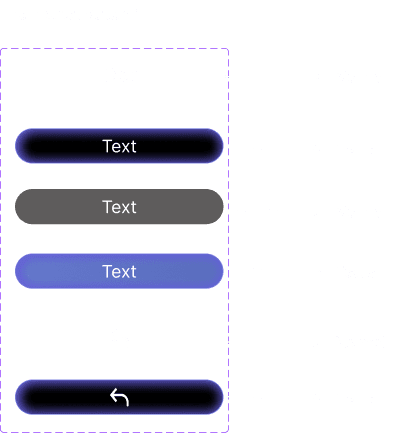
We strictly follow component rules to facilitate future page expansion and improve efficiency.